Nakhon Si Thammarat, Thailand: How to Get There, Is It Worth It?
On this page
- Nakhon Si Thammarat at a Glance
- What Nakhon Si Thammarat Is Actually Known For
- Who It's Actually For (and Worth Building a Day Around)
- Getting There
- The Deep-South Safety Question, Answered Honestly for This City
- Before You Book
- The Honest Verdict
- Where the Deep South Takes You Next
- Frequently Asked Questions
- What is Nakhon Si Thammarat known for, specifically?
- How do I get to Nakhon Si Thammarat, and how long does it take?
- Is Nakhon Si Thammarat worth visiting, and who is it actually right for?
- How many days should I spend in Nakhon Si Thammarat?
- Is Nakhon Si Thammarat covered by the deep-south travel advisories?
- Sources
Nakhon Si Thammarat has one of the strongest destination dossiers in this entire hub: a major relic temple, a living regional shadow-puppet tradition, and an old-city quarter with actual historical specificity.
This back to all Thailand destinations hub covers places worth considering beyond the standard island circuit.
Here, I am answering whether the city deserves a stop, how to reach it, and what the safety-advisory record says about this specific place - not attempting a province-wide security briefing that should come from your own government's current advisory page.
Nakhon Si Thammarat at a Glance
This is the short version for itinerary comparisons. Where the research did not produce reliable data, the table says so rather than manufacturing a tidy answer.
| Field | What we know |
|---|---|
| Region | Deep south |
| Gateway | Nakhon Si Thammarat Airport, with AirAsia and Nok Air service reported; small regional-airport routes can change quickly |
| Known for | A major relic temple, an authentic regional shadow-puppet tradition, and a historic old-city quarter |
| Primary traveler intent | Decide whether, how, and when to visit, then know what to expect on arrival |
| Deep-south advisory status | This research found no specific mention in the four government advisories reviewed; verify directly before relying on that finding |
| Price tier vs. national baseline | No reliable comparison was sourced in this research round |
What Nakhon Si Thammarat Is Actually Known For
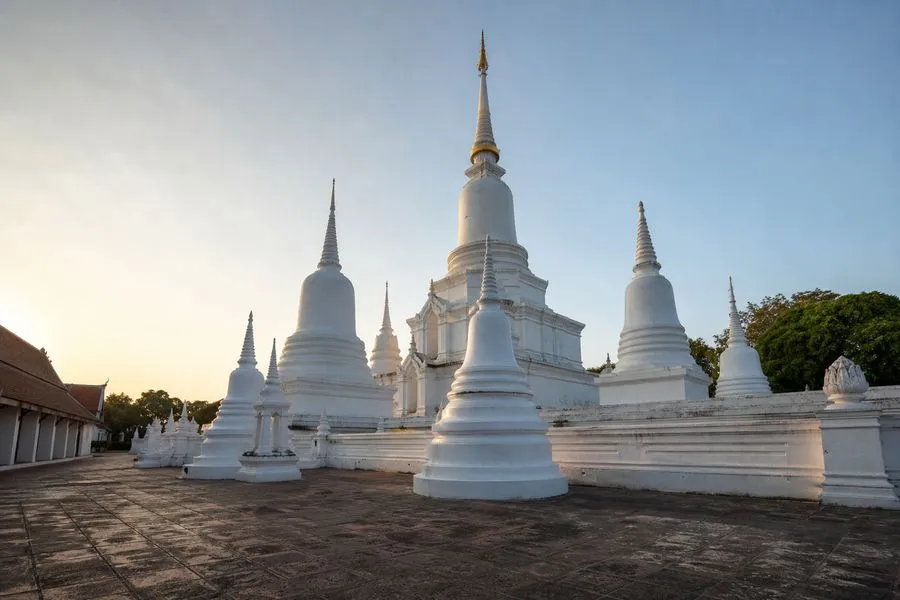
Wat Phra Mahathat Woramahavihan is the city's anchor, not an interchangeable temple stop. It is regarded as southern Thailand's largest and most revered Buddhist temple, centered on a 77-meter chedi surrounded by 149 smaller chedis. The relics held there are traditionally said to have been brought from Sri Lanka more than 1,000 years ago.
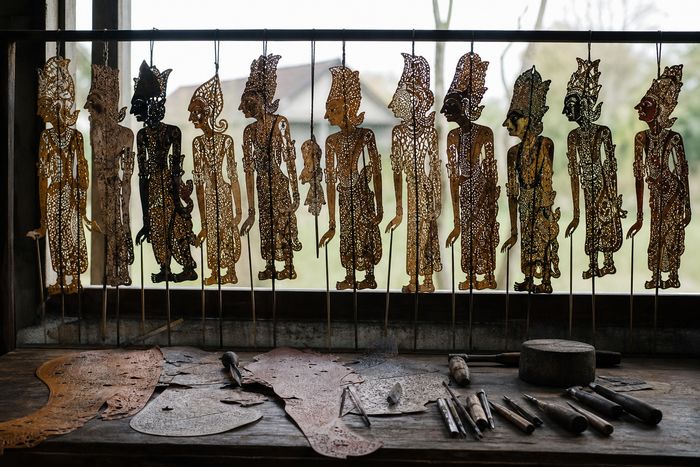
The other defining attraction is the Shadow Puppet Museum and its connection to Nang Talung, a shadow-puppet style considered authentic to this region. The museum is tied to puppet master Suchart Subsin's family, which gives the tradition a living family and workshop context rather than reducing it to a display case.
Then there is the Old City Wall, whose history reaches back to a 13th-century Srivijaya Empire outpost. Tha Chang Road adds another specific local craft: nielloware jewelry and handicrafts. Taken together, these places clear a basic test I use for destination pages.
I can name what belongs here, explain why it matters, and distinguish it from the next southern city without falling back on "temples and markets."
Who It's Actually For (and Worth Building a Day Around)
Nakhon Si Thammarat suits travelers who are already routing through southern Thailand and care about religious history, regional crafts, or performance traditions. It is a weak match for someone whose priorities are beaches and nightlife, or who intends to treat every inland city as a short transit break on the way to Hat Yai.
Give the old-city core a full day. A half-day forces the temple and puppet museum into a checklist pace, which defeats much of the point.
Two or three days make sense if you add the surrounding area. Khanom district is about 90 minutes away and is associated with pink-dolphin spotting, waterfalls, and sea mud baths. Namtok Yong National Park has the multi-tier Yong Waterfall, while Kiriwong Village offers homestays and trekking.
Those additions turn a focused cultural stop into a broader inland and coastal stay.
Getting There
Flying is the fastest route reported in the research. AirAsia and Nok Air have served Nakhon Si Thammarat Airport from Bangkok Don Mueang, with a flight time of a little over one hour. Check the airline's current timetable before committing because service at small regional airports is among the transport details most likely to change.
Buses are slower but more flexible. Reported travel time from Bangkok's Southern Bus Terminal is roughly 10-14 hours. From Krabi, the journey is about three hours, with service reported hourly from 8 a.m. to 8 p.m.; that schedule may be dated, so confirm it locally.
See getting around Thailand for the wider transport-planning context.
| Mode | From | Time | Note |
|---|---|---|---|
| Flight | Bangkok Don Mueang, via AirAsia or Nok Air | Roughly 1+ hour | Regional-airport service can change; confirm the route before booking |
| Bus | Bangkok Southern Bus Terminal | Roughly 10-14 hours | Long-haul overland option; check the current operator schedule |
| Bus | Krabi | Roughly 3 hours | Reported hourly from 8 a.m. to 8 p.m.; useful from the Andaman coast, but confirm current times |
| Train | Bangkok | Roughly 14 hours | Research reported one train per direction daily; verify the schedule and final station |
The train has the booking problem most likely to spoil the day. Some tickets sold as "Nakhon Si Thammarat" actually terminate at Thung Song Junction, which is a separate station. This is not a minor platform mix-up.
It can leave you needing an onward connection and cost hours, so inspect the ticket's final station before paying.
The research found roughly one train per direction each day from Bangkok, taking about 14 hours. Treat both the frequency and duration as planning estimates, then verify them against the current timetable.
The Deep-South Safety Question, Answered Honestly for This City
This research reviewed government travel-advisory pages from Canada, the United Kingdom, the United States, and Australia. None of those four pages named Nakhon Si Thammarat specifically. That differs from Hat Yai, whose status is genuinely disputed between governments; compare it with Hat Yai for the destination-specific explanation.
That finding is not the same as saying "Nakhon Si Thammarat is safe." The review summarized for this article has not been independently re-checked directly against all four live primary pages since the research pass. Advisories change, boundaries matter, and a missing city name is not a guarantee.
Before finalizing plans, open your own government's current Thailand advisory and check its date, geographic wording, and any linked regional detail. The site's safety and health guide provides broader planning context but does not replace that primary page.
After nine years of visa renewals, a lease dispute, and a hospital bill that nearly was not covered, I have become tedious about going to the primary source and checking the date on it. That habit belongs here too, not just at Immigration or an insurance desk.
Separate from security advisories, the research notes a possible stray-dog and rabies-bite concern in the province, along with some rural roads described as more dangerous than average. The underlying media source was not captured well enough to treat either point as a verified destination-specific claim.
I would apply ordinary rural Thailand precautions: do not approach or feed stray animals, identify a nearby hospital, and ride or drive conservatively. Those are general health and road-safety measures, not evidence of a special security threat in this city.
Before You Book
Temple photographs make the decision pleasant. Tickets and live advisory pages determine whether the plan works. Run these checks while comparing routes, not after you have reached a platform or locked in dates.
- Check the final station on your train ticket. A ticket marked "Nakhon Si Thammarat" can actually terminate at Thung Song Junction, a separate station. Confirm the final station before booking, not at the platform.
- Treat any stray-dog encounter with real caution. A rabies-bite concern was noted for this province in the research, though the original media source needs further verification. Do not approach or feed stray animals, and know the nearest hospital before you need it.
- Drive and ride carefully on rural roads. Some provincial roads have been described as more dangerous than average. Treat this as general road-safety advice rather than a security-advisory issue unique to Nakhon Si Thammarat.
- Check your government's current deep-south advisory page. This research found no specific mention of Nakhon Si Thammarat in four reviewed advisories, but the live primary page should be your last check before finalizing plans.
The Honest Verdict
Nakhon Si Thammarat has genuine substance.
A gap-filling research round recovered exactly the kind of detail that separates a worthwhile destination from a database doorway: Nang Talung shadow puppetry connected to Suchart Subsin's family, the traditional Sri Lankan relic account at Wat Phra Mahathat, a 77-meter chedi, and a historic city wall.
It comfortably clears this site's bar and stands as one of the strongest entries in the 93-destination hub.
The documentary safety record matters too. Four separate governments' advisory pages were checked, and none named this city specifically. That is the kind of clean research record that lets me recommend the place itself without pretending its cultural value is uncertain.
Hat Yai, one province over, does not get the same clean read (a useful distinction, not a reason to substitute this article for a live advisory).
My reservation is practical. Some ground-transport information in the research traces to material dated February 2020, so schedules and any fare you encounter should be treated as indicative. Confirm the route, time, final station, and price before paying.
Where the Deep South Takes You Next
Hat Yai is the regional transit hub, but its disputed advisory framing requires a separate read; compare it with Hat Yai before treating the two cities as interchangeable. You can also see also: Songkhla for the province in which Hat Yai sits, or go back to all Thailand destinations to compare the wider route.
Nakhon Si Thammarat earns its place through the temple, puppet tradition, and old-city history rather than hub convenience. That makes it a deliberate cultural stop, not merely somewhere between better-known points.
Frequently Asked Questions
What is Nakhon Si Thammarat known for, specifically?
Nakhon Si Thammarat is known for Wat Phra Mahathat Woramahavihan, the Nang Talung Shadow Puppet Museum, and its historic old-city quarter. The temple has a 77-meter central chedi and 149 smaller chedis, while the puppet museum is tied to Suchart Subsin's family and a regional puppet-making tradition. The Old City Wall has roots in a 13th-century Srivijaya Empire outpost.
How do I get to Nakhon Si Thammarat, and how long does it take?
You can fly from Bangkok Don Mueang in a little over one hour, take a bus from Bangkok in roughly 10-14 hours, take a bus from Krabi in about three hours, or travel by train from Bangkok in roughly 14 hours.
AirAsia and Nok Air have served the airport, but confirm current routes and schedules. For the train, make sure the ticket ends at Nakhon Si Thammarat rather than Thung Song Junction.
Is Nakhon Si Thammarat worth visiting, and who is it actually right for?
Yes, Nakhon Si Thammarat is worth visiting for travelers focused on heritage, religious history, and regional crafts. Its temple and Nang Talung tradition offer specific cultural substance rather than a generic sightseeing list. It is less suitable as a rushed pass-through for travelers primarily interested in beaches or nightlife.
How many days should I spend in Nakhon Si Thammarat?
Allow at least one full day for Wat Phra Mahathat, the puppet museum, and the old-city area. Stretch the stay to two or three days if you plan to add Khanom, Namtok Yong National Park, or Kiriwong Village. A half-day is too compressed if you want to see both principal cultural attractions properly.
Is Nakhon Si Thammarat covered by the deep-south travel advisories?
This research's review of four government advisories found none that named Nakhon Si Thammarat specifically. That contrasts with Hat Yai, whose treatment differs between governments, but it is not a settled safety verdict. Check your own government's current Thailand advisory directly before relying on the finding or locking your dates.
If the deep south is already on your itinerary, give Nakhon Si Thammarat at least a full day for the temple and puppet museum. Book the train or flight with the Before You Book checklist in hand, then check your own government's current advisory page before locking the dates.
Sources
- Government of Canada travel advice for Thailand, reviewed for geographic advisory wording.
- United Kingdom FCDO travel advice for Thailand, substantive update dated June 30, 2026 in the research pass.
- United States State Department Thailand travel advisory, page snippet dated July 7, 2026 in the research pass.
- Australia Smartraveller advice for Thailand, reviewed for geographic advisory wording.
- An unnamed media travel source informed the general stray-dog, rabies, and rural-road cautions; its citation was not captured and requires verification.
Last reviewed: August 11, 2026.
