Getting Around Thailand: The Real Fares, Times, and Risks
Compare trains, buses, ferries, vans, and flights across Thailand, with realistic fares, booking limits, seasonal disruptions, and warning signs to check before you pay.
Compare the transport modes first, then use the route finder to check the options for your specific journey.
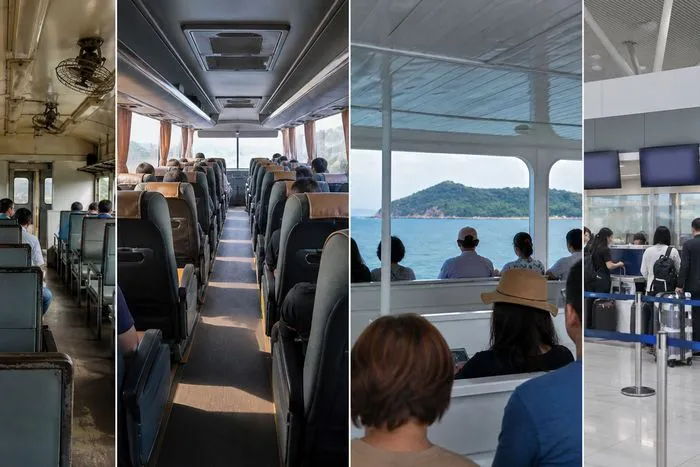
Which Modes Work Where
Thailand’s transport network does not offer the same choices on every route.
Rail follows four main corridors from Bangkok, flights connect major cities and airport-served islands, buses fill most gaps, vans handle shorter regional journeys, and boats provide access to islands and road-inaccessible beaches.
State Railway of Thailand operates all rail services. The Northern Line runs to Chiang Mai via Ayutthaya and Phitsanulok. The Northeastern Line reaches Nong Khai through Nakhon Ratchasima and Khon Kaen, with a branch to Ubon Ratchathani.
The Eastern Line serves Pattaya, Trat, and the Cambodian border. The Southern Line runs through Hua Hin, Surat Thani, and Trang toward Hat Yai and the Malaysian border.
Rail is rarely direct when a trip cuts across those corridors. A journey between northern and southern Thailand usually requires travel through Bangkok, while any island itinerary needs a boat connection.
Domestic flights link Bangkok’s two airports, Suvarnabhumi and Don Mueang, with most provincial capitals and larger airport-served destinations, including Phuket, Krabi, Ko Samui, Chiang Mai, Chiang Rai, Hat Yai, Udon Thani, and Trat.
Airlines include Thai AirAsia, Nok Air, Thai Lion Air, Bangkok Airways, Thai Airways, and Thai Vietjet Air.
Bangkok Airways owns and operates Trat Airport and Ko Samui Airport, which helps keep fares to Ko Samui comparatively high. Flying usually becomes more attractive when road or rail would take roughly eight to ten hours. On shorter routes, airport transfers, check-in, and baggage claim can erase much of the time saved.
Buses and coaches serve almost every corridor. Operators range from the state-linked Transport Co. Ltd., commonly called Baw Khaw Saw and listed in many timetables as “Transport Co Ltd 999,” to private companies selling standard, express, and VIP tickets.
Check the actual seat layout before paying for a premium tier through an agency; the vehicle supplied does not always match the reseller’s description.
Shared vans and minibuses generally work best for regional trips of less than four to five hours. They can be faster than full-size buses on winding roads and may stop closer to your destination, but they offer less luggage space.
Boats are essential for island routes. In the Gulf of Thailand, Lomprayah, Seatran, Raja Ferry, and Songserm connect Surat Thani and Chumphon with Ko Samui, Ko Phangan, and Ko Tao.
On the Andaman side, operators such as Andaman Wave Master, Tigerline, and Phi Phi Cruiser connect Phuket, Krabi, Ao Nang, and the southern mainland with Ko Phi Phi, Ko Lanta, Ko Lipe, Railay, and the Trang islands.
Scheduled ferries publish departure times and sell advance tickets. Some longtail boats operate differently: they leave only after enough passengers have gathered. Service frequency can fall sharply outside the main season, and some routes stop altogether.
Use the guide to comparing train, bus, van, ferry, and flight in Thailand when several modes serve the same route.
How to Check a Provider Before You Book
A listing on a familiar booking site does not prove that the operator, vehicle, or departure works as described. Before paying, run these checks:
- Look for a dated timetable that the operator confirms.
- Check for a posted fare or working meter.
- Confirm that the booking channel issues a ticket or written confirmation.
- Compare the duration and price on at least two independent sources.
- Identify the actual operator, not only the reseller.
- Ask which legs are included in any combined bus, van, or ferry ticket.
- Check whether the quoted duration includes transfers and connection waits.
Two listings do not count as independent checks if both resell the same operator. This matters on routes where one departure appears under several agency names.
Walk away or investigate further if the fare changes according to the customer’s nationality, the seller substitutes a different vehicle or service tier, or the advertised journey time is shorter than the driving or sailing time alone.
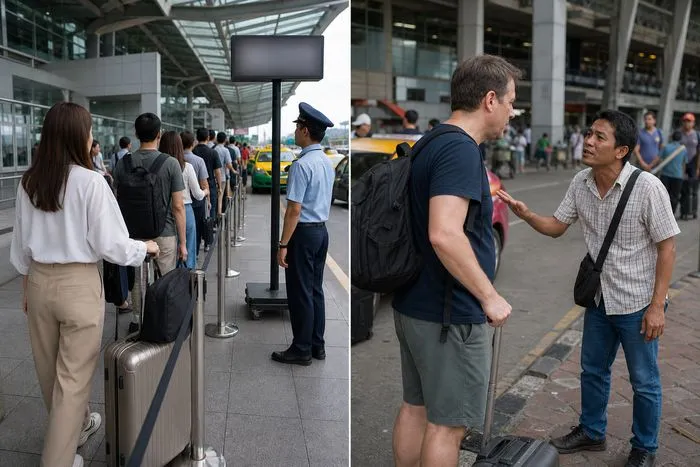
At Bangkok’s airports, use the official public taxi queue rather than an unofficial tout offering a flat, unmetered fare.
A cash-only ticket sold at a pier or station is not automatically suspicious. Some local services simply have no advance-booking system. The practical limitation is that you cannot reserve a seat before arriving.
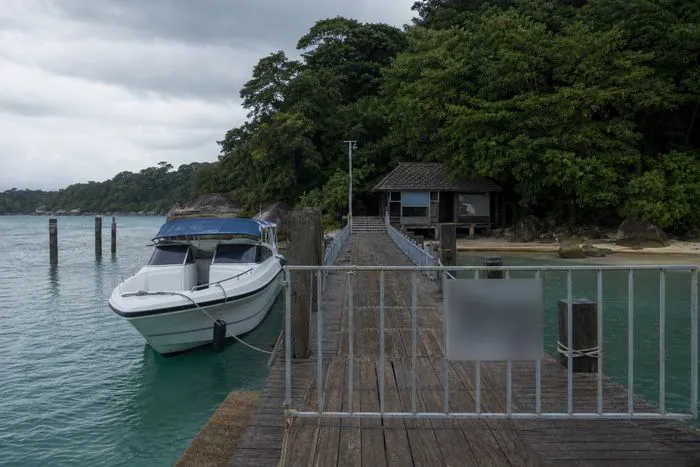
Small speedboats and longtail boats are generally more vulnerable than larger scheduled ferries to overloading and marginal weather. If a large ferry and a small fast boat serve the same crossing, the larger ferry carries a lower general safety risk even if it takes longer.
Shared vans have a different risk profile. Tight schedules can encourage speeding, driver fatigue, and unsafe overtaking, particularly on mountain roads. The Chiang Mai to Pai route, with 762 curves over 130 kilometers, is a clear example: the van is fast, but the road and driving style create a real safety trade-off.
For transport after arrival, compare Grab, metered taxis, songthaews, and scooter rental in the guide to local rides and scooters in Thailand.
How Much It Costs and How Pricing Works
Start by identifying how the service sets its fare.
Fixed fares apply to some local routes, airport transfers, and shuttles within defined zones. Bangkok’s Airport Rail Link City Line charges 45 baht regardless of the stations used. Chiang Mai’s red songthaew R3 airport routes charge 30 baht per person.
A clearly posted fare is easy to verify.
Distance-based fares are common on trains and some coaches. Thai rail prices combine distance with supplements for air conditioning, class, and sleeper accommodation. A first-class sleeper berth from Bangkok to Chiang Mai can cost more than 2,000 baht, while third-class fan seating on a shorter route may cost less than 200 baht.
Bangkok taxis also use distance-based pricing. The meter starts at 35 baht, followed by 6.5 baht per kilometer at low speed or while stopped, according to the Department of Land Transport. If no meter or rate card is visible, agree on the fare before boarding.
Dynamic and seasonal prices vary with the booking date, remaining capacity, and holiday demand. A one-way Bangkok to Phuket flight bought three months ahead in low season, without checked baggage, can start at about 600 baht on a budget airline. The same flight bought two days before a long weekend can exceed 4,000 baht.
Fast ferries and premium coach services also change prices, although usually less dramatically.
Third-party booking sites often charge more than operators. A markup of 10% to 20% over the direct price is a normal sales-channel cost, not proof of fraud. Check the operator’s own site before confirming, especially when buying several tickets.
Sleeper berths on popular overnight trains and coaches sell out earlier than ordinary daytime seats. During national and regional holidays, inventory that is usually available on the day may disappear well in advance. If the exact berth matters, book as soon as the operator opens sales.
The guide to Bangkok’s airports and transport gateways explains how Suvarnabhumi, Don Mueang, and the main rail terminals fit into the wider network.
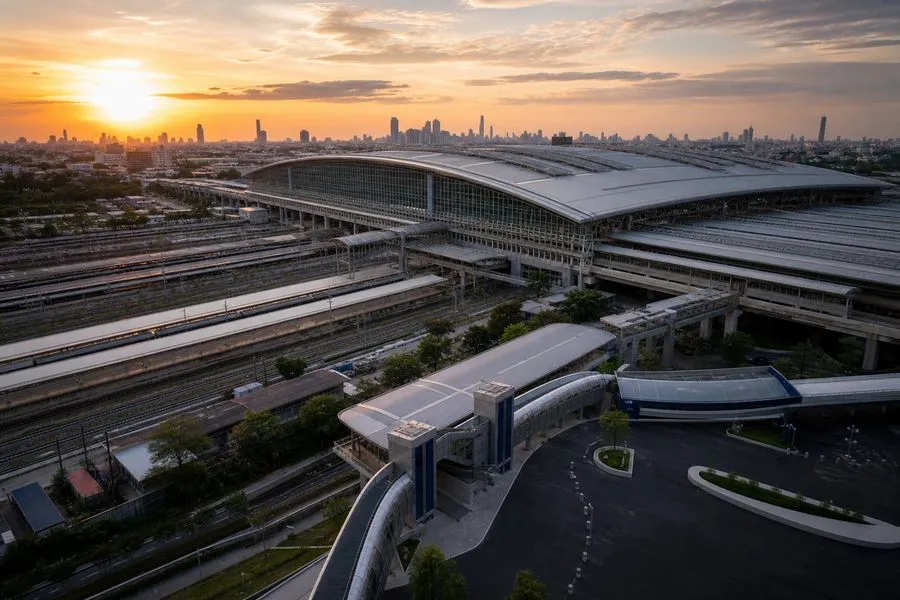
Bangkok’s Rail Terminal Split
Since January 19, 2023, long-distance trains on the Northern, Northeastern, and Southern Lines have departed from Krung Thep Aphiwat Central Terminal, also called Bang Sue Grand Station. The terminal is about 11 kilometers north of Bangkok’s old city center.
All 52 daily Rapid, Express, and Special Express services leave from this terminal, including trains to Chiang Mai, Nong Khai, Ubon Ratchathani, Surat Thani, and Hat Yai. The station has an MRT Blue Line entrance. Reaching it from Khao San Road or Sukhumvit requires a transfer.
Hua Lamphong, the 1916 terminus in Chinatown, still handles Eastern Line trains to Pattaya, Trat, and Aranyaprathet at the Cambodian border. It also serves Ordinary commuter trains, local trains to Ayutthaya, and a weekend excursion service toward Kanchanaburi. Travelers can still buy long-distance tickets there, although most long-distance departures have moved.
Thon Buri Station, on the west bank of the Chao Phraya River, handles trains to Kanchanaburi and the Death Railway, as well as local services on the upper Southern Line.
Older guidebooks, blog posts, and some booking listings still tell Chiang Mai passengers to use Hua Lamphong. If a source published before early 2023 does not name Krung Thep Aphiwat or Bang Sue, do not rely on its terminal information. Going to Hua Lamphong for a northbound or southbound Express service may leave too little time to reach the correct station.
Seasonal Closures and Ferry Cancellations
Two separate problems affect island travel: legal park closures and weather-related reductions or cancellations.
The Similan Islands usually close to all visitors from mid-May to mid-October, typically May 15 to October 15. Exact dates can shift slightly each year, so check with the Department of National Parks before booking. During the closure, no operator can legally take passengers there, regardless of what a third-party website displays.
Khao Lak and Phuket are gateways only while the park is open.
Across the Andaman Sea, ferry frequency drops during the southwest monsoon, roughly June through October. Routes from Phuket, Krabi, and Ao Nang to Ko Phi Phi, Ko Lanta, Railay, and Ko Lipe may fall from several daily crossings to one scheduled departure or none. Small speedboat routes are especially likely to stop in rough conditions.
Check the current timetable directly with the operator or pier if your trip falls in this period. If the crossing controls an international flight or another fixed booking, leave a contingency day (an inconvenient buffer, but often the safer plan).
The Gulf routes to Ko Samui, Ko Phangan, and Ko Tao have a shorter disruption period, roughly November through December. Lomprayah, Seatran, and Songserm operate the main routes throughout the year, although frequency can fall and storms can still cancel a fast catamaran.
Informal longtail crossings are less predictable. A route that depends on gathering enough passengers may become unavailable outside the main tourist season even when no formal closure applies.
See the guide to Thailand’s ferry low season for route-specific seasonal risks and current-status checks.
What This Market Does Well, and Where It Fails
Thailand’s intercity network is extensive, frequent, and inexpensive by global standards.
Major corridors such as Bangkok to Chiang Mai by overnight train, Bangkok to Phuket by an early-booked flight, and the Gulf island ferry routes in high season offer published schedules and several booking options.
The difficult routes are those with no published fare, no dependable timetable, or several transport legs bundled into one vaguely described ticket. A ticket advertised as “direct” from Bangkok to Ko Lipe is still a bus-and-ferry journey. The quoted time may not include the pier transfer or the wait between legs.
A booking platform can also make a route look more competitive than it is. Several listings may represent the same underlying operator, and a published departure may not run during the season you need.
There is no centralized government timetable for buses and ferries comparable to a national rail booking system. The bus and ferry information used here comes from operators and commercial booking platforms. That does not make established operators illegitimate, but it limits a traveler’s ability to verify licensing and compare fares against a public official register.
Rail is easier to check because State Railway of Thailand is the sole national operator. Even there, commercial resellers are often easier to use than the official booking site.
Before booking, compare the fare and realistic journey time on two independent sources. Ask for clarification when a combined ticket does not identify every leg or when its timing leaves no allowance for a connection. Avoid building a tight itinerary around an informal departure or a weather-sensitive ferry.
Browse the full index
Routes from Bangkok
- Bangkok to Chiang Mai: Fares & Times - Overnight sleeper train, VIP bus, or budget flight; the most traveled long-distance route in Thailand.
- Bangkok to Chiang Rai: Fares & Times - Bus or flight to the northern gateway for the Golden Triangle and Laos border crossings.
- Bangkok to Phuket: Fares & Times - Flight dominates; bus and multi-leg train-plus-ferry alternatives exist but add substantial time.
- Bangkok to Krabi: Fares & Times - Flight to the Andaman coast; bus available for budget travelers willing to spend 12-plus hours.
- Bangkok to Ko Samui: Fares & Times - Train or bus to Surat Thani, then ferry; or fly direct to Samui's privately-owned airport at a premium.
- Bangkok to Ko Phangan: How to Get There - Overnight train to Surat Thani, then Lomprayah or Seatran ferry.
- Bangkok to Ko Tao: How to Get There - Train to Chumphon or Surat Thani, then ferry; the longest single-ticket Gulf island journey.
- Bangkok to Pattaya: Fares & Times - Bus, van, or taxi; the primary beach escape for Bangkok weekenders.
- Bangkok to Hua Hin: Fares & Times - Train or bus; one of the shortest rail routes from the capital.
- Bangkok to Ayutthaya: Fares & Times - Frequent third-class local trains from Hua Lamphong; bus and van also available.
- Bangkok to Kanchanaburi: Fares & Times - Bus from the Southern Terminal or train from Thonburi Station to the Death Railway.
- Bangkok to Ko Chang: Fares & Times - Bus to Laem Ngop ferry pier, then ferry; one of the closest major islands to Bangkok.
- Bangkok to Ko Samet: How to Get There - Bus to Ban Phe pier, then speedboat; a quick weekend island option.
- Bangkok to Khao Yai: Fares & Times - Van or private car; no direct train to the national park.
- Bangkok to Sukhothai: How to Get There - Bus to Sukhothai or Phitsanulok, or fly to Sukhothai's small airport.
- Bangkok to Surat Thani: Fares & Times - Overnight sleeper train or bus; the mainland gateway for Gulf islands.
- Bangkok to Hat Yai: Fares & Times - Overnight train or flight to Thailand's southern transport hub near Malaysia.
- Bangkok to Chumphon: Fares & Times - Train or bus; the northern mainland gateway for Ko Tao ferries.
- Bangkok to Udon Thani: Fares & Times - Overnight train or flight to the northeastern hub near Nong Khai and Laos.
- Bangkok to Nong Khai: Fares & Times - Overnight train to the Mekong border; continue by rail or road into Laos.
- Bangkok to Ubon Ratchathani: How to Get There - Overnight sleeper train on the northeastern branch line.
- Bangkok to Khon Kaen: Fares & Times - Train or flight to the northeastern university city.
- Bangkok to Nakhon Ratchasima: Fares & Times - Train or bus to Korat, the gateway to Isaan.
- Bangkok to Trat: Fares & Times - Bus or flight to the eastern province near Cambodia and Ko Kood.
- Bangkok to Rayong: How to Get There - Bus to the eastern industrial and beach province.
- Bangkok to Khao Lak: Fares & Times - Bus or flight to Phuket then onward transfer to this Similan Islands gateway.
- Bangkok to Ko Lanta: Fares & Times - Multi-leg ticket via Krabi or Trang; no direct ferry from the capital.
- Bangkok to Ko Phi Phi: Fares & Times - Multi-leg ticket via Phuket or Krabi.
- Bangkok to Ko Lipe: Fares & Times - Multi-leg ticket via Hat Yai, Pak Bara, or Trang; one of the longest journeys to reach a Thai island.
- Bangkok to Ranong: Fares & Times - Bus or flight to the Andaman province near Myanmar and Ko Phayam.
- Bangkok to Trang: Fares & Times - Train or flight to the southern province serving the Trang islands.
- Bangkok to Nakhon Si Thammarat: Fares & Times - Train or flight to the southern Gulf coast city.
- Bangkok to Mae Hong Son: Fares & Times - Flight only; no direct road or rail service.
- Bangkok to Pai: Fares & Times - Bus to Chiang Mai, then onward bus or van to Pai through 762 curves.
- Bangkok to Phitsanulok: Fares & Times - Train or flight to the northern central city.
- Bangkok to Lampang: Fares & Times - Train via the Northern Line.
- Bangkok to Loei: How to Get There - Bus or flight to the northeastern province near Chiang Khan.
- Bangkok to Buriram: Fares & Times - Train or flight to the northeastern province.
- Bangkok to Khao Sok: How to Get There - Bus or van via Surat Thani or Phuket; no direct train to the national park.
- Bangkok to Ao Nang: Fares & Times - Multi-leg ticket via Krabi.
Routes from Chiang Mai
- Chiang Mai to Pai: How to Get There - Van or bus through 762 curves; small airport serves limited scheduled flights.
- Chiang Mai to Chiang Rai: How to Get There - Bus or van between the two main northern cities.
- Chiang Mai to Mae Hong Son: Fares & Times - Flight or bus via Pai; the loop route is one of Thailand's most scenic and winding drives.
- Chiang Mai to Sukhothai: Fares & Times - Bus to the historical park town.
- Chiang Mai to Lampang: Fares & Times - Train or bus to the northern heritage city.
- Chiang Mai to Chiang Dao: Fares & Times - Local bus or songthaew to the northern mountain town.
- Chiang Mai to Doi Inthanon: Fares & Times - Private taxi or van; no scheduled public transport to the national park summit.
- Chiang Mai to Phuket: How to Get There - Flight between northern Thailand and the Andaman coast.
- Chiang Mai to Krabi: Fares & Times - Flight only; no practical road option.
- Chiang Mai to Ko Samui: Fares & Times - Flight to Samui or Bangkok, then onward.
- Chiang Mai to Bangkok: Fares & Times - Overnight sleeper train, VIP bus, or budget flight; the reverse of Thailand's busiest long-distance route.
- Chiang Mai to Luang Prabang: How to Get There - Slow boat via Chiang Rai and Chiang Khong, bus, or flight.
Routes from Chiang Rai
- Chiang Rai to Chiang Khong: Fares & Times - Bus to the Mekong border for the slow boat to Laos.
- Chiang Rai to Chiang Mai: Fares & Times - Bus or van between the two main northern cities.
Routes from Phuket
- Phuket to Ko Phi Phi: How to Get There - Ferry or speedboat to the famous Andaman island.
- Phuket to Krabi: Fares & Times - Ferry or bus between the two Andaman hubs.
- Phuket to Ao Nang: Fares & Times - Ferry or van to Krabi's beach zone.
- Phuket to Ko Lanta: Fares & Times - Ferry or speedboat; seasonal frequency drops sharply in monsoon months.
- Phuket to Khao Lak: Fares & Times - Bus or taxi to the Similan Islands gateway town.
- Phuket to Ko Yao Noi: How to Get There - Ferry to the quieter Phang Nga Bay island.
- Phuket to Similan Islands: Fares & Times - Speedboat day trip; park closed mid-May to mid-October.
- Phuket to Ko Samui: How to Get There - Flight or multi-leg ferry/bus between Andaman and Gulf coasts.
- Phuket to Railay: Fares & Times - Ferry to the road-inaccessible Krabi beach; seasonal cancellations common.
- Phuket to Phang Nga: How to Get There - Bus or van to the mainland bay town.
- Phuket to Ko Racha: Fares & Times - Speedboat day trip south of Phuket.
- Phuket to Khao Sok: How to Get There - Bus or van to the national park.
Routes from Krabi and Ao Nang
- Krabi to Ko Phi Phi: Fares & Times - Ferry from Krabi town or Ao Nang pier.
- Krabi to Ko Lanta: Fares & Times - Ferry or van; seasonal frequency drops sharply.
- Krabi to Railay: Fares & Times - Longtail boat from Krabi town pier; informal schedule, negotiate fare in person.
- Krabi to Ko Jum: How to Get There - Ferry to the quieter island between Krabi and Ko Lanta.
- Krabi to Ko Samui: Fares & Times - Multi-leg ferry and bus ticket.
- Krabi to Ko Lipe: How to Get There - Ferry via Ko Lanta or Trang; seasonal only.
- Krabi to Trang: Fares & Times - Bus or van between southern Andaman provinces.
- Krabi to Hat Yai: Fares & Times - Bus or van to the deep-south transport hub.
- Ao Nang to Railay: How to Get There - Longtail boat; the shortest crossing to Railay, negotiated fare, weather-dependent.
Routes from Ko Phi Phi
- Ko Phi Phi to Ko Lanta: Fares & Times - Ferry between Andaman islands.
- Ko Phi Phi to Railay: Fares & Times - Ferry to the road-inaccessible beach.
Routes from Ko Lanta
- Ko Lanta to Ko Lipe: Fares & Times - Seasonal ferry south; suspended during monsoon.
- Ko Lanta to Trang: Fares & Times - Multi-leg van and ferry to the mainland.
Routes from Ko Samui, Ko Phangan, Ko Tao
- Ko Samui to Ko Phangan: Fares & Times - Frequent ferry between the two main Gulf islands.
- Ko Samui to Ko Tao: How to Get There - Ferry via Ko Phangan or direct fast boat.
- Ko Samui to Surat Thani: Fares & Times - Ferry to Donsak pier, then bus or taxi to Surat Thani town or airport.
- Ko Samui to Krabi: Fares & Times - Multi-leg ferry and bus between Gulf and Andaman coasts.
- Ko Samui to Phuket: How to Get There - Flight or multi-leg ferry/bus.
- Ko Phangan to Ko Tao: Fares & Times - Frequent Lomprayah or Seatran ferry.
- Ko Phangan to Surat Thani: Fares & Times - Ferry to Donsak pier, then onward to Surat Thani.
- Ko Phangan to Krabi: Fares & Times - Multi-leg ferry and bus ticket.
- Ko Tao to Chumphon: Fares & Times - Ferry to the northern Gulf mainland gateway.
- Ko Tao to Surat Thani: Fares & Times - Ferry via Ko Phangan or direct to Donsak pier.
- Ko Tao to Bangkok: How to Get There - Multi-leg ferry and train or bus.
Routes from Surat Thani
- Surat Thani to Ko Samui: How to Get There - Ferry from Donsak pier; the main mainland gateway for Gulf islands.
- Surat Thani to Khao Sok: How to Get There - Bus or van to the national park.
Routes from Hat Yai
- Hat Yai to Ko Lipe: Fares & Times - Multi-leg van and ferry via Pak Bara pier.
- Hat Yai to Songkhla: Fares & Times - Bus to the neighboring southern city.
- Hat Yai to Krabi: Fares & Times - Bus or van north to the Andaman province.
- Hat Yai to Penang: Fares & Times - Bus or train across the Malaysia border.
Routes from Trang
- Trang to Ko Mook: Fares & Times - Ferry to the Trang island.
- Trang to Ko Kradan: Fares & Times - Ferry to the Trang island.
- Trang to Ko Ngai: Fares & Times - Ferry to the Trang island.
- Trang to Ko Lipe: How to Get There - Seasonal ferry south.
Routes from Pattaya
- Pattaya to Ko Samet: Fares & Times - Multi-leg van and ferry to the eastern island.
- Pattaya to Ko Chang: How to Get There - Multi-leg van and ferry.
- Pattaya to Hua Hin: How to Get There - Ferry across the Gulf or bus via Bangkok.
- Pattaya to Bangkok Airport: Fares & Times - Bus or taxi to Suvarnabhumi or Don Mueang.
Routes from Hua Hin
- Hua Hin to Bangkok: Fares & Times - Train or van back to the capital.
- Hua Hin to Prachuap Khiri Khan: Fares & Times - Train south along the Gulf coast.
Routes from Ko Chang and Trat
- Ko Chang to Ko Kood: Fares & Times - Ferry between the two main eastern Gulf islands.
- Ko Chang to Ko Mak: How to Get There - Ferry to the smaller island.
- Ko Chang to Trat: Fares & Times - Ferry to Laem Ngop pier, then onward to Trat town.
- Trat to Ko Kood: Fares & Times - Ferry from Laem Sok pier.
Routes from Khao Lak
- Khao Lak to Similan Islands: Fares & Times - Speedboat day trip; park closed mid-May to mid-October.
- Khao Lak to Khao Sok: Fares & Times - Van between two national park gateways.
Routes from Ranong and Chumphon
- Ranong to Ko Phayam: Fares & Times - Ferry to the Andaman island near Myanmar.
- Chumphon to Ko Tao: How to Get There - Ferry to the northern Gulf diving island.
Cross-Border Routes
- Nong Khai to Vientiane: Fares & Times - Train or bus across the Friendship Bridge to Laos; Thai immigration at Nong Khai Station.
- Bangkok to Siem Reap: Fares & Times - Bus or flight to Cambodia's Angkor gateway.
- Bangkok to Vientiane: How to Get There - Overnight train direct to Laos or fly to Vientiane.
- Bangkok to Kuala Lumpur: Fares & Times - Flight, train, or bus to Malaysia.
- Ko Lipe to Langkawi: Fares & Times - Seasonal ferry to Malaysia.
Airport Transfer Routes
- Suvarnabhumi Airport to Bangkok: All Options - Airport Rail Link, metered taxi, bus, van; the full transfer guide.
- Suvarnabhumi to Bangkok by Airport Rail Link - City Line train to Phaya Thai; 45 baht flat fare, 30 minutes.
- Suvarnabhumi Airport to Khao San Road: Fares & Times - Bus, taxi, or Airport Rail Link plus local taxi to the backpacker district.
- Suvarnabhumi Airport to Don Mueang Airport: How to Get There - Bus or taxi between Bangkok's two airports.
- Don Mueang Airport to Bangkok: Fares & Times - Bus, train, or taxi from the northern airport.
- Phuket Airport to Patong: Fares & Times - Airport bus, taxi, or Grab to Phuket's main beach.
- Phuket Airport to Kata: Fares & Times - Airport bus, taxi, or Grab to Kata Beach.
- Phuket Airport to Karon: Fares & Times - Airport bus, taxi, or Grab to Karon Beach.
- Krabi Airport to Ao Nang: How to Get There - Minibus or taxi to the beach zone.
- Samui Airport to Chaweng: Fares & Times - Taxi or minibus from Bangkok Airways' private airport.
- Chiang Mai Airport to Old City: Fares & Times - Taxi, Grab, or red songthaew R3 line (30 baht flat fare).
- U-Tapao Airport to Pattaya: Fares & Times - Bus or taxi from Pattaya's regional airport.
- Hat Yai Airport to Hat Yai: Fares & Times - Taxi or songthaew to the southern city.
- Surat Thani Airport to Donsak Pier: Fares & Times - Van or taxi to the Ko Samui ferry pier.
Frequently asked
Which transport mode is fastest between Thai cities?
Flying is usually fastest when the road or rail trip would take more than eight to ten hours. For shorter journeys, include check-in, security, baggage claim, and transfers in the comparison. A one-hour flight may not beat a three-hour drive after airport time is added.
An overnight train can also save a hotel night.
Can I book Thailand train tickets online?
Yes, although availability depends on the service. Sleeper berths on routes such as Bangkok to Chiang Mai and Bangkok to Surat Thani may open 60 to 90 days ahead and can sell out weeks before peak travel dates. Third-class local trains and some short-distance services sell tickets only at the station on the day.
Commercial resellers such as 12Go Asia, Thailand Trains, and Busonlineticket may charge more than the operator-direct price.
What should I check on a combined bus-and-ferry ticket?
Ask for the operator and departure point for every leg, the transfer location, the connection wait, and whether the quoted duration includes that wait. A ticket described as “direct” may still involve a bus, pier transfer, and ferry. Confirm what happens if the first leg arrives too late for the connection.
Can I rely on a ferry timetable during low season?
Not without a current check. The Similan Islands normally close from mid-May to mid-October, while Andaman ferry routes can reduce frequency or stop during the June to October monsoon. Gulf routes generally face more disruption in November and December.
Confirm the departure with the operator or pier before making a fixed onward booking.
Is a cash-only local ticket a scam?
Not necessarily. Some local boats, vans, and station services have no online sales channel. Check the posted fare, identify the operator or departure point, and confirm whether the service follows a timetable or waits for enough passengers.
The main drawback is that you cannot guarantee a place before arrival.
Should I buy directly from the operator or through a reseller?
Compare both. Resellers may provide a simpler English-language interface and combine several legs, but a markup of 10% to 20% over the direct price is common. Buying direct can cost less, while a reseller may be more convenient when the operator has no accessible online booking system.