Thailand Marriage Visa: Requirements and Evidence You'll Need
On this page
- Where This Fits in Thailand's Long-Stay Options
- Eligibility and Evidence: Proving a "Genuine" Marriage
- Building Your Genuine-Marriage File: What to Gather
- Financial Requirements: What This Site Can and Can't Confirm
- Before You Rely on Any Number: Two Things to Verify Yourself
- Visa Fees and Costs by Office
- Marriage-Visa Costs: What's Confirmed by Stage and Office
- How to Apply: Documents, Stages and the Home-Visit Question
- Common Mistakes That Get Marriage-Visa Applications Delayed or Rejected
- Consequences If Your Application Is Refused
- Related Visa Categories and Compliance Steps
- Frequently Asked Questions
- What documents do I actually need to prove my marriage is genuine?
- How much money do I need for a Thailand marriage visa?
- Does immigration actually do home visits for marriage visas?
- Can I apply from inside Thailand, or do I have to leave the country first?
- What happens if my marriage-visa application gets rejected?
- Sources
The Thailand marriage visa is generally issued under the Non-Immigrant O category to a foreign national married to a Thai national.
It is a well-established route, but this research could not confirm two figures from a primary Thai government source: the current financial threshold and the period for which funds must be held before filing.
Verify both with the office handling your application.
This page is not legal advice. Requirements can differ by filing stage and office, and the marriage-visa-specific financial figures, seasoning period, fees, and complete evidence list were not confirmed from a primary source in this research pass. Verify every current requirement directly with the Immigration Bureau or the Thai embassy or consulate handling your application before transferring funds, paying a fee, or booking an appointment.
Where This Fits in Thailand's Long-Stay Options
The marriage visa is the relationship-based route among options otherwise gated mainly by age, finances, employment, or activity.
You can see the full visas-and-entry category or compare long-stay visa options without importing those other categories' requirements into this application.
Eligibility and Evidence: Proving a "Genuine" Marriage
The central question is not simply whether you can produce a marriage certificate. Immigration may assess whether the marriage represents a real, ongoing relationship rather than a document created only to obtain immigration status.
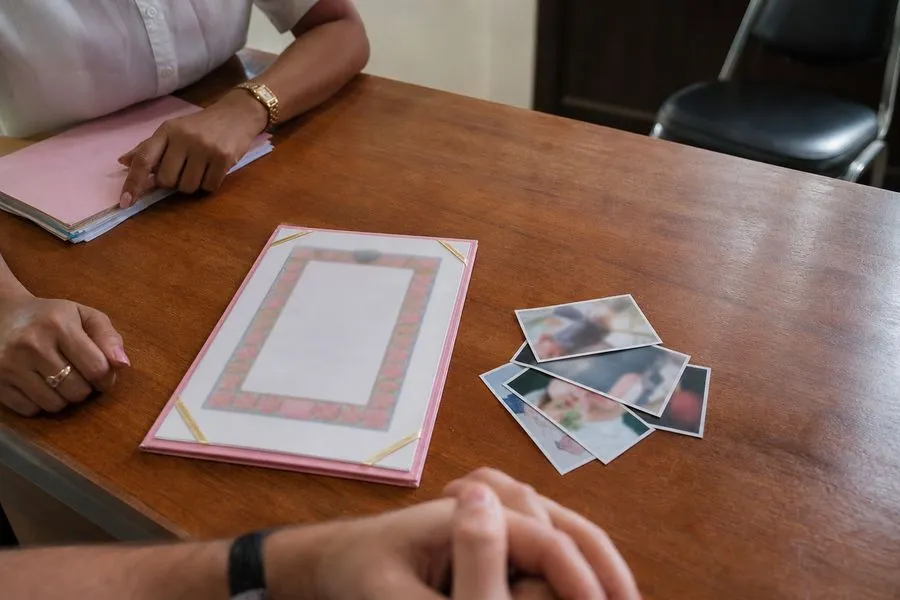
An official Thai marriage registration document is the evidentiary anchor identified for this route. Supporting photographs can help document the relationship across time and different occasions.
A folder containing only photographs from one wedding afternoon may be less useful than a chronological selection showing an established shared life, though this research pass did not locate a primary-source checklist specifying the number, format, or dates required.
Shared-address records, correspondence, or evidence of financial ties may support the file when those materials already exist. I would not manufacture a tidy paper trail for the sake of appearances. Nor would I treat those examples as an official list: the research did not establish that every office requires each item.
This scrutiny is what separates a marriage-based application from routes assessed chiefly through age, money, work, or another qualifying activity. The registration document establishes the legal relationship; the supporting file helps explain that relationship in practice.
A home visit may form part of the review. The available material does not establish whether visits are guaranteed, common, rare, or triggered by particular facts, so prepare for the possibility without treating it as a scheduled step. After filing five other Thai visa categories myself, I have learned not to turn one office's practice into a nationwide rule (three officers can still produce three different answers).

Building Your Genuine-Marriage File: What to Gather
- Official Thai marriage registration document: Treat this as the primary evidentiary anchor. Without an official marriage registration document, there is no marriage-based filing described here.
- Photographs across time: Select images from different occasions rather than relying only on a single wedding-day set. The purpose is to document an ongoing relationship.
- Existing shared-life records: Gather any joint address history, correspondence, or financial ties you already have. These are possible supporting materials, not a complete checklist published by immigration in the sources reviewed.
- A home-visit plan: Be prepared if an officer uses a visit to check the relationship, but do not assume that every applicant receives one.
- Office confirmation: Ask the specific embassy, consulate, or Immigration office for its current evidence list before filing.
Financial Requirements: What This Site Can and Can't Confirm
Marriage-based Non-Immigrant O applicants are commonly expected to demonstrate finances through a bank deposit, qualifying monthly income, or a combination, with the qualifying funds or income held or documented for a defined period before filing.
This research pass did not find a primary Thai government source confirming the exact current deposit or income amounts for this route. It also did not confirm the exact seasoning period.
That omission is deliberate. A number copied from a forum or agency page can look authoritative long after the relevant office has changed its instructions, or it may apply to a different filing path. Before arranging your finances, confirm the requirement with the Immigration Bureau for an in-country case or with the specific Thai embassy or consulate for an application abroad.
I have made the less expensive version of this mistake before: preparing around an answer given by an office that would not handle my actual filing. The right question is not only "What is the requirement?" It is "What will the office receiving this application require on the filing date?"
Before You Rely on Any Number: Two Things to Verify Yourself
- The financial threshold: Ask for the current bank-deposit and income requirements applicable to your filing path. Treat figures from forums, blogs, or agencies as prompts for verification, not settled facts.
- The seasoning period: Confirm how long the funds or qualifying income must be held or documented before the application date. Ask the office that will handle the case.
- The composition of an agency quote: If an agency provides one bundled amount, ask what portion is its service charge, what portion is a government fee, and whether anything else is included. A private charge is not automatically an official cost.
Visa Fees and Costs by Office
The cost picture varies by stage and issuing office. Abroad issuance and an in-country conversion or extension are separate transactions handled through different authorities, and this research did not confirm a marriage-visa-specific fee for either. Publishing one blended figure would conceal those differences rather than help you budget.
Marriage-Visa Costs: What's Confirmed by Stage and Office
| Stage | Issuing office | What this covers | Confirmed figure? |
|---|---|---|---|
| Abroad issuance | Thai embassy or consulate in the applicant's home country | Initial Non-Immigrant O visa | No. It was not found in this research pass; verify with the specific mission. |
| In-country conversion or extension | Immigration Bureau local office | Converting or extending the visa once in Thailand | No. It was not found in this research pass; verify with the local Immigration office. |
| Financial-test proof | Either stage, depending on filing path | Bank-deposit or income requirement and its seasoning period | No. Do not treat a single number published elsewhere as settled without direct confirmation. |
How to Apply: Documents, Stages and the Home-Visit Question
First identify which authority will receive the application. That determines where you obtain the document list, fee instructions, financial requirements, and processing guidance.
For initial issuance abroad, the filing authority is a Thai embassy or consulate.
The Ministry of Foreign Affairs e-Visa system has covered all 94 Thai embassies and consulates worldwide since January 1, 2025, but the mission handling the application remains the place to confirm marriage-specific requirements and current fees (Ministry of Foreign Affairs e-Visa portal).
For an in-country conversion or extension, the relevant authority is the Immigration Bureau and, in practice, the local office handling the file (Immigration Bureau, Royal Thai Police). This page cannot establish that every person already in Thailand qualifies to use that path. Confirm eligibility before assuming that an in-country filing removes the need to leave.
A practical preparation sequence is:
- Determine whether you are seeking initial issuance abroad or an in-country conversion or extension.
- Contact the office that will receive the application and request its current marriage-based Non-Immigrant O document list.
- Confirm the financial threshold, permitted proof method, seasoning period, government fee, appointment procedure, and acceptable document format.
- Assemble the official marriage registration document, relationship photographs, requested financial records, and any office-specific supporting evidence.
- Keep your current permitted stay under review while the application is pending.
Ask the office whether a home visit can form part of its review and what, if anything, the couple must do to prepare. Do not schedule your life around either assumption. The sources reviewed here did not confirm visit frequency or selection criteria.
Processing time was also not confirmed. Use the specific office's current estimate rather than a nationwide estimate from an agent or an old applicant report.
Common Mistakes That Get Marriage-Visa Applications Delayed or Rejected
The first mistake is treating the marriage route as a financial test with a certificate attached. Money may form part of the requirement, but the category depends on the relationship. A thin evidence file can leave the officer with questions that a larger bank balance does not answer.
The second is building the entire application around one number found online. If that figure applies to another office, another stage, or an older rule, the error can affect both timing and eligibility. Verify it before moving money or choosing an appointment date.
Private intermediaries create a third source of confusion. An agency may charge for document preparation or representation even when the government application channel itself remains available. Ask for government fees and service charges as separate line items.
Be wary of anyone presenting paid assistance as a substitute for satisfying the evidence requirements, especially if the service is sold as guaranteed approval. An intermediary can organize papers; it cannot change the factual basis of the marriage or bind the reviewing officer.
Finally, do not bring the correct categories of evidence in whatever format happens to suit you. Confirm whether the office wants originals, copies, photographs, financial records, or other materials arranged in a particular way. A good file is built for the receiving office, not for the person who posted a checklist two years ago.
Consequences If Your Application Is Refused
A refusal does not by itself mean that you are in overstay. Your position depends on whether your existing permission to stay remains valid, which is separate from whether a new visa, conversion, or extension has been approved.
The dangerous assumption is that a pending application automatically protects you after your existing permitted stay expires. This research does not establish that it does. Track the date in your current immigration status and obtain office-specific advice before it lapses.
If your stay has already expired, read what happens if your stay lapses rather than relying on this marriage-visa page for consequences. Overstay penalties and re-entry restrictions belong to that separate issue.
What to do after refusal depends on the reason, your present status, the office's procedure, and the documents available. That calls for case-specific professional judgment from a licensed Thai attorney or direct instructions from the authority handling the file, not a generic promise that you can reapply immediately.
Related Visa Categories and Compliance Steps
Marriage is not always a person's only possible basis for a long stay.
Age-based applicants can see the retirement-visa route, while readers with qualifying employment can compare with the work-permit route.
Remote workers considering an activity-based option can see the DTV as an alternative.
Those pages own their respective eligibility rules and costs. Return to the full visas-and-entry category if you need to compare routes by situation rather than importing one category's requirements into another.
Checked on August 11, 2026. Verify current figures with the Immigration Bureau or the issuing Thai embassy before relying on this page.
Frequently Asked Questions
What documents do I actually need to prove my marriage is genuine?
Start with the official Thai marriage registration document, photographs from different periods, and any existing records of shared life. This research did not find a confirmed, complete official checklist, so ask the specific issuing office what it currently requires before filing.
How much money do I need for a Thailand marriage visa?
This research could not confirm an exact current amount from a primary Thai government source. Expect the office to assess a bank deposit, qualifying income, or a permitted combination held or documented for a required period, then verify both the threshold and seasoning period directly.
Does immigration actually do home visits for marriage visas?
A home visit is a real possibility, but it is not confirmed here as a guaranteed or universal step. The research did not establish how often visits occur or what triggers them, so prepare for one without assuming it will happen.
Can I apply from inside Thailand, or do I have to leave the country first?
Both abroad and in-country filing stages exist, but your eligibility for either path requires confirmation. Initial issuance is handled through a Thai embassy or consulate, while an in-country conversion or extension is handled through the Immigration Bureau.
What happens if my marriage-visa application gets rejected?
A rejection is not automatically an overstay while your existing permitted stay remains valid. If that stay has lapsed, the issue becomes separate and serious; seek case-specific advice and review what happens if your stay lapses.
Before budgeting or booking an appointment, confirm the unresolved financial threshold and seasoning period directly with the Immigration Bureau or the Thai embassy or consulate handling your application.
If marriage is not your only possible basis for staying, compare this route with the retirement, employment, and DTV alternatives linked above.
Sources
- Immigration Bureau, Royal Thai Police - in-country conversion, extension, and general Non-Immigrant O administration.
- Ministry of Foreign Affairs e-Visa portal - abroad issuance and e-Visa coverage through all 94 Thai missions as of January 1, 2025.
This article provides general immigration information, not legal advice. Requirements vary by office and filing path. The exact marriage-visa financial threshold, seasoning period, fees, processing time, home-visit practice, and complete evidence list were not confirmed from a primary source in this research pass. Verify them directly with the Immigration Bureau or the Thai embassy or consulate handling your application before acting.


Reviewed by Nattapong Sirichai, licensed Thai attorney, member of the Lawyers Council of Thailand, practising immigration and administrative law, Bangkok. Last reviewed: 2026-08-12. The review covers the legal statements on this page, not travel opinion.