Chiang Mai, Thailand: How to Get There and Whether It's Worth the Stop
On this page
- Chiang Mai at a Glance
- What Chiang Mai Is Actually Known For
- Where to Stay, and How Many Days to Give It
- Where to Stay, By Traveler Type
- Getting To Chiang Mai
- When to Go - And When the Air Gets Bad
- Chiang Mai vs. Chiang Rai - Which One (or Both)?
- The Honest Verdict
- Where the North Takes You Next
- Sources
- Frequently Asked Questions
- What is Chiang Mai known for, specifically?
- How do I get to Chiang Mai, and how long does it take?
- Is Chiang Mai worth visiting, and who is it actually right for?
- How many days should I actually spend in Chiang Mai?
- Does when I visit Chiang Mai actually matter?
Chiang Mai deserves a real itinerary decision, not another recital of temples and markets.
This page matches three lodging areas to specific traveler types, recommends a useful stay length, and compares Chiang Mai directly with Chiang Rai.
This destination hub helps you decide where each stop fits; you can also go back to all Thailand destinations.
Here I cover whether Chiang Mai is worth your time, where to stay, how many days to allow, and the Chiang Rai tradeoff.
I do not unpack the burning-season mechanism here because that has its own dedicated guide.
Chiang Mai at a Glance
These are the practical facts I would want before assigning Chiang Mai a place in an itinerary. Where the available research does not support a conclusion, the table says so.
| Field | What we know |
|---|---|
| Region | Northern Thailand |
| Gateway | Chiang Mai International Airport (CNX), described by one commercial source as the north's only international air gateway |
| Also functions as | Bus hub for Chiang Rai, Pai, Mae Hong Son, Mae Sai, Phayao, and Lampang |
| Primary traveler intent | Decide whether, how, and when to visit, plus where to base |
| Recommended stay | About 4-5 days, based on this site's research synthesis |
| Price tier vs. national baseline | No reliable comparison was sourced in this research round |
What Chiang Mai Is Actually Known For
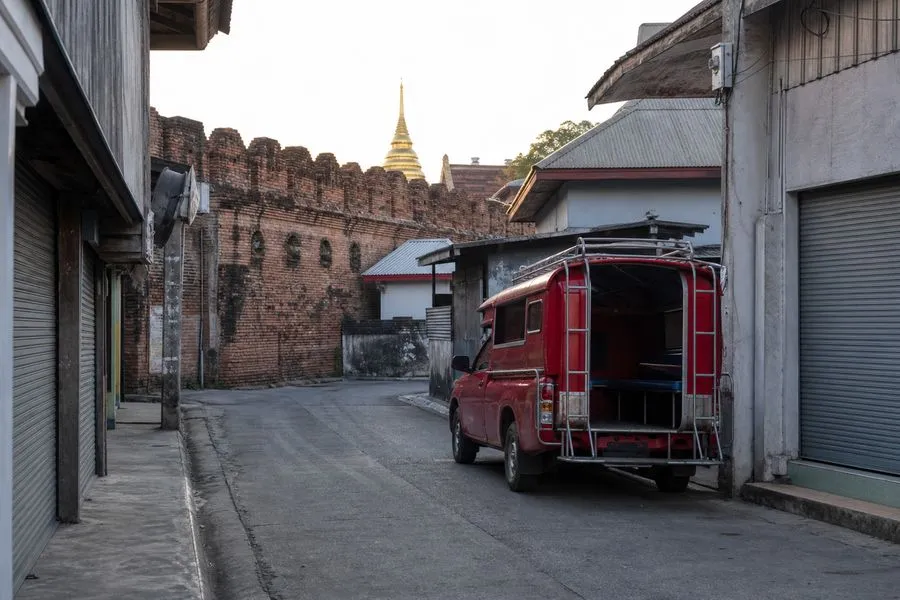
Chiang Mai has its own international airport, CNX, which makes it an unusually direct entry point into northern Thailand. The city's visual and historical center is the moat-and-wall-enclosed Old City, with more than 300 temples. Wat Phra Singh, Wat Chedi Luang, and the Doi Suthep complex are the three names that recur most often.
The city is also northern Thailand's leading long-stay and digital-nomad base, though this page is concerned with visiting rather than relocating. For travelers, its other defining role is more mechanical: Chiang Mai is the bus hub for Chiang Rai, Pai, Mae Hong Son, Mae Sai, Phayao, and Lampang.
That network matters. Chiang Mai is not merely an airport attached to onward buses; it has enough substance to justify a dedicated stop before you fan out across the north. Treating it as an overnight transfer wastes the main advantage of coming through it.
Where to Stay, and How Many Days to Give It
The useful neighborhood split is not "central versus less central." It is history versus nightlife and food versus quiet. Each choice produces a noticeably different version of the same visit.
Where to Stay, By Traveler Type
Old City
Who it suits: First-time visitors and travelers prioritizing history. The moated, walled center is dense with temples and puts you within walking distance of the biggest-name sights.
Tradeoff: Evenings are quieter, and you are farther from the newer restaurant and bar scene.
Nimmanhaemin
Who it suits: Travelers who want nightlife, cafés, and a younger food scene. This is the most natural match if going out matters more than waking up among historic sights.
Tradeoff: It feels the least historic of these three areas and is busier and more built-up.
Riverside
Who it suits: Travelers looking for an upscale, quieter base. It works best when calm matters more than immediate access to either major sightseeing or nightlife.
Tradeoff: You are farther from both the Old City sights and Nimmanhaemin's evening scene.
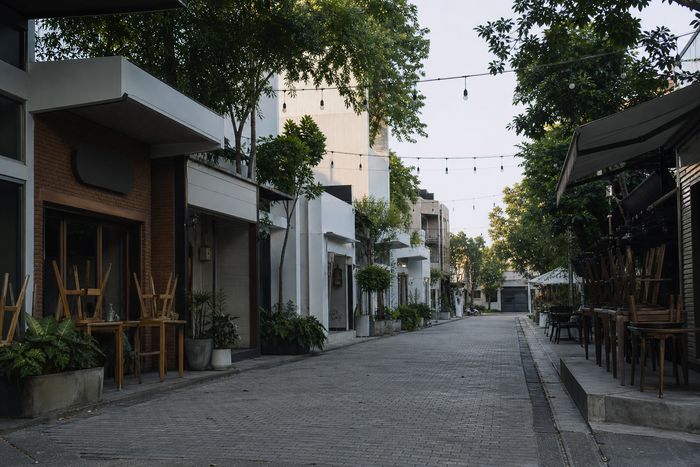
For most first trips, I recommend 4-5 days. That is this site's editorial synthesis, not an official minimum. It gives Chiang Mai room to function as a destination rather than a transfer point, while leaving enough of a northern itinerary for somewhere quieter or more remote.
Your neighborhood changes how full those days feel. From the Old City, history is the default. In Nimmanhaemin, meals and evenings take up more space; beside the river, accepting extra transit is part of choosing the calm.
Getting To Chiang Mai
Chiang Mai International Airport (CNX) is the obvious air gateway. A commercial source describes it as northern Thailand's only international air gateway, but I would not treat that wording as settled without confirmation from an airport authority.
The overnight train from Bangkok is the other common arrival route. I have taken that night train in every class it sells, which taught me that choosing the train is one decision and choosing the class is another (sometimes the second matters more).
Chiang Mai's bus connections also make the city the practical jumping-off point for Pai, Chiang Rai, and Mae Hong Son.
For city-pair travel times and the actual tradeoffs among rail, road, and air, use the full breakdown of train, bus, van and flight options rather than relying on a universal rule.
The broader getting around Thailand guide is the starting point if your route includes several regions.
When to Go - And When the Air Gets Bad
Chiang Mai sits within northern Thailand's burning-season zone. The difficult period falls roughly between January and April, often peaking around March, but the start, finish, and severity vary by year. During that window, Chiang Mai's air quality can rank among the world's worst.
Do not treat those months as a fixed cancellation calendar. Treat them as a reason to check the year you are actually traveling before you become attached to flights and lodging.
The mechanism, air-pollution details, and current-year planning belong in the full burning-season picture, month by month. For the wider weather decision, start with when to go and see the full year for Chiang Mai in the Season Matrix.
Chiang Mai vs. Chiang Rai - Which One (or Both)?
Chiang Mai and Chiang Rai are valid choices for different trips. The comparison is not "major city good, smaller city bad," nor does Chiang Rai automatically win because it has fewer crowds. The real question is how much breadth you want around your individual sightseeing stops.
| What matters | Chiang Mai | Chiang Rai |
|---|---|---|
| Nightlife and food scene | Genuinely deeper, with more evening and dining options | Fewer options and quieter evenings |
| Activity variety | Broader range of ways to fill several days | Narrower range, but with more distinctive individual sights |
| Crowds | Busier | Fewer crowds |
| Sight distinctiveness | Many good options | A smaller number of more singular sights |
| Best for | Travelers who want breadth and a livelier base | Travelers who want a quieter, more concentrated visit |
Chiang Mai works better when you want a flexible base with enough food, nightlife, and activity depth to support 4-5 days. Chiang Rai fits travelers willing to exchange that breadth for fewer crowds and a smaller set of more distinctive sights.
This is a genuine choose-one-or-both tradeoff, not a ranking. If your itinerary can accommodate both, they do different jobs. If it cannot, compare it with Chiang Rai according to the evenings and pace you actually want, not the number of attractions you can collect.
The Honest Verdict
Chiang Mai has deep, genuine substance. A 4-5 day stay, a neighborhood chosen for the trip you are taking, and a direct comparison with Chiang Rai provide more decision value than generic temples-and-markets copy. It earns its place on almost every northern Thailand itinerary.
The caveat is that your area and month matter more than many first-time visitors expect. A badly matched neighborhood can make the city feel inconvenient or dull; smoke-season dates can change the premise of the visit before it begins.
Chiang Mai has been my home base since I arrived in Thailand in 2017. My annual move south to Krabi and Ko Lanta during smoke season shaped the organizing idea behind this site: Thailand runs on two opposing weather systems. I stopped treating "Thailand weather" as one national forecast years ago.
Where the North Takes You Next
If Chiang Mai becomes your northern base, the next choice should sharpen the trip rather than duplicate it.
You can compare it with Chiang Rai for a quieter visit centered on more singular sights, see also: Pai for the mountain-road branch of the route, or see also: Mae Hong Son when remoteness is the point.
Use the transport and seasonal guides before joining those pieces, then go back to all Thailand destinations to see how the northern leg fits the rest of the country.
Last reviewed: August 11, 2026
Sources
- Tourism Authority of Thailand (TAT), official destination framing for Chiang Mai as northern Thailand's regional hub.
- chiangmaigotours.com, commercial-source description of CNX as the north's only international air gateway.
Frequently Asked Questions
What is Chiang Mai known for, specifically?
Chiang Mai is known for its international airport, walled Old City, 300-plus temples, long-stay community, and role as northern Thailand's bus hub.
Wat Phra Singh, Wat Chedi Luang, and the Doi Suthep complex are the three most-cited temple sights, while onward buses connect the city with Chiang Rai, Pai, Mae Hong Son, Mae Sai, Phayao, and Lampang.
How do I get to Chiang Mai, and how long does it take?
You can fly into CNX or take the overnight train from Bangkok.
I have taken the train in every class it sells, but travel time and comfort depend on the route and option, so use the full breakdown of train, bus, van and flight options for the mode-by-mode comparison.
Is Chiang Mai worth visiting, and who is it actually right for?
Yes, Chiang Mai is worth visiting, particularly for travelers who want historical sights plus enough food, nightlife, and activity variety to sustain several days. Its real value extends beyond temples and markets because you can match the lodging area to your priorities, allocate a sensible stay, and use it as the practical hub for a wider northern route.
How many days should I actually spend in Chiang Mai?
Plan on about 4-5 days. First-time visitors focused on the Old City can make those days sightseeing-heavy, while a Nimmanhaemin or Riverside stay naturally shifts more time toward evenings, food, or a slower pace.
Does when I visit Chiang Mai actually matter?
Yes, especially if your dates fall roughly between January and April.
Burning-season timing and severity vary, often peaking around March, so check the full burning-season picture, month by month and the Season Matrix before fixing the itinerary.
Pick a neighborhood from the three matches above, pencil in 4-5 days, and, if your dates fall from January through April, check the burning-season article and the Season Matrix before you lock anything in.
