Chiang Mai to Bangkok: Fares & Times
On this page
- Getting from Chiang Mai to Bangkok: Modes at a Glance
- Mode-by-Mode Comparison: Bus, Flight and Train
- Bus
- Flight
- Train
- Which Bangkok Station or Airport You Actually Need
- Seasonal Price Swings and When to Book
- Licensed vs. Informal: What "Regulated" Means Here
- Our Honest Verdict: Which Mode Fits You
- FAQ
- Do I need to book the Chiang Mai to Bangkok train or flight in advance, or can I just show up?
- Are the budget bus and van operators on this route safe to use?
- Is it worth paying more to fly instead of taking the overnight train or bus?
- Which Bangkok train station does the Chiang Mai train actually arrive at?
- Why do ticket prices for this route vary so much between booking sites?
- Sources
Getting from Chiang Mai to Bangkok: Modes at a Glance
Three modes serve Chiang Mai to Bangkok: bus, flight, and train. Bus examples start from approximately $18-$21 and take about 10 hours on the published schedule. Low-cost flights can start around $21 one-way without a checked bag, with about an hour in the air plus airport time at both ends.
Trains take roughly 10-14 hours according to commercial timetables, with sleeper berths offering the most comfortable overnight option.
Those are starting points, not quotes. Prices are indicative and change - verify close to your travel date.
For the wider planning system, see the full guide to getting around Thailand and compare every mode before you book. The full mode-choice framework lives there - this page covers only the Chiang Mai to Bangkok leg.
Mode-by-Mode Comparison: Bus, Flight and Train
The prices and schedules below come from commercial listings and aggregators, not government-set fare data. Prices are indicative and change - verify close to your travel date.
| Mode | Example operator and price | Scheduled duration | Booking window | Confidence |
|---|---|---|---|---|
| Bus | 12go.asia has listed Nakhonchai Air Gold Class from approximately $20.97 and Viriya Tour Intercity from approximately $17.97. Prices are indicative and change - verify close to your travel date. | The example schedules run about 10 hours: 8:45 a.m.-6:53 p.m. and 9:50 a.m.-8:00 p.m. Allow longer for the complete door-to-door trip. | Standard seats may remain available closer to departure. VIP seats can sell out days to weeks ahead during peak periods. | Indicative commercial listings that require a fresh check before booking. |
| Flight | Thai VietJet and AirAsia fares can start around $21 one-way in low season without a checked bag. Prices are indicative and change - verify close to your travel date. | About one hour in the air, plus check-in, security, waiting, baggage collection, and travel between each airport and your final address. | Book earlier for November-February and Songkran, when fares tend to rise and popular departures can fill. | Commercial fare data, not a government-set price. |
| Train | Train 7 Special Express and Train 109 Rapid appear in reseller timetables. Class and berth choice affect the fare, so verify the current price directly. | One listing shows 7:30 a.m.-5:50 p.m. for Train 7 and 2:15 p.m.-4:00 a.m. the next day for Train 109. Exact timetables conflict across sources. | Sleeper berths are the corridor's most sell-out-prone transport product. Book days to weeks ahead in peak periods. | Indicative reseller timetable; no direct SRT or Thai government timetable was found in this research. |
Bus
Two 12go.asia examples illustrate the lower end of the market. Nakhonchai Air Gold Class has appeared from approximately $20.97, with a listed 8:45 a.m. departure and 6:53 p.m. arrival. Viriya Tour Intercity has appeared from approximately $17.97, scheduled from 9:50 a.m. to 8:00 p.m.
Prices are indicative and change - verify close to your travel date.
Both listings need to be checked again before purchase. They are useful comparison points, not fixed fares or guaranteed timetables.
Standard and VIP tiers exist, but the label alone does not tell you precisely what will be delivered. Check the operator, seat class, departure point, arrival point, and included services on the actual booking page. Bangkok traffic and onward transport usually make the real door-to-door journey longer than the roughly 10-hour schedule.
Flight
Low-cost fares on Thai VietJet and AirAsia can start around $21 one-way in low season without a checked bag. Prices are indicative and change - verify close to your travel date, particularly after adding baggage or choosing a specific departure time.
The flight itself is about an hour. The honest comparison also includes getting to Chiang Mai airport, check-in and security, waiting at the gate, collecting luggage, and traveling from the Bangkok airport to your final stop. A cheap flight at an awkward hour may not save as much useful time as the scheduled duration suggests.
During the November-February cool season and around Songkran in mid-April, commercial fare data suggests increases of roughly $40-$80 over low-season prices. The Bangkok airport depends on the carrier and booking; check your confirmation rather than assuming which one applies.
Train
Commercial reseller thailandtrains.com has shown Train 7 Special Express running from approximately 7:30 a.m. to 5:50 p.m. and Train 109 Rapid from about 2:15 p.m. to 4:00 a.m. the next day. Treat those times as indicative. No direct SRT or Thai government source for these entries was found during this research, and independently sourced timetables elsewhere disagree about the same train numbers.
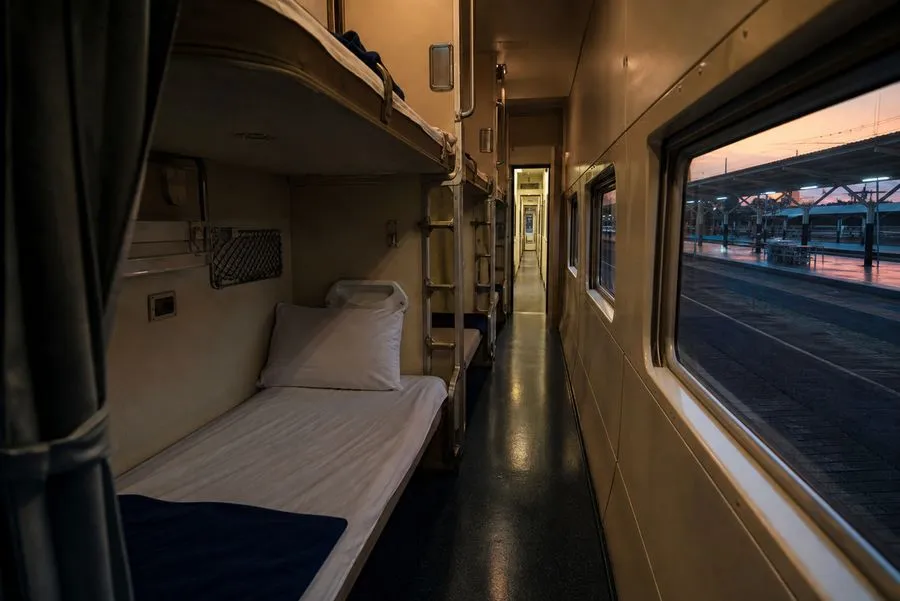
Sleeper class is the comfort choice, especially if replacing a hotel night matters to your budget. It is also the product most likely to sell out on this corridor. During busy periods, a late booking can leave you choosing a seat, taking a bus, or changing dates.
I have taken the night train in every class it sells. The made-up berth is pleasant once (and more memorable than another airport), but the romantic version assumes you secured the sleeper before everyone else did.
Which Bangkok Station or Airport You Actually Need
Nearly all long-distance Northern Line trains serving Chiang Mai now use Krung Thep Aphiwat Central Terminal, formerly widely called Bang Sue Grand Station. The terminal has handled these services since January 19, 2023.
Hua Lamphong still exists; it is not closed. Its role on this route has been reduced, despite the many older articles and saved map pins that continue to direct Chiang Mai passengers there. I used to tell people Hua Lamphong too.
That advice stopped being correct in January 2023, which is exactly the kind of stale-source mistake worth catching before travel day.
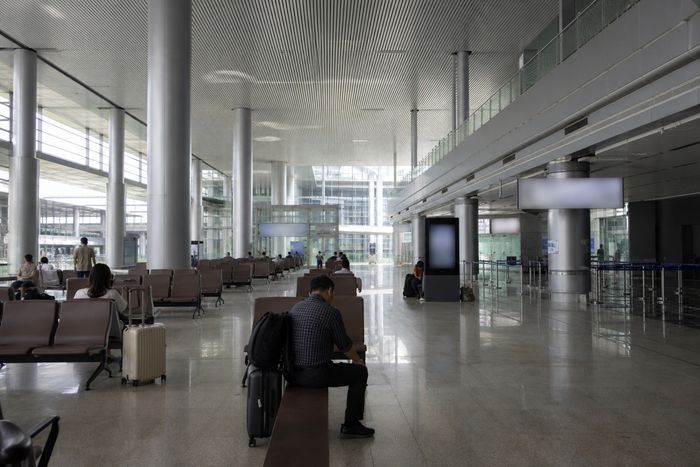
For flights, the Bangkok airport depends on the carrier. This research did not confirm an airport for each airline on every departure, so read the airport name and code on your booking confirmation. Use the gateway guide to confirm which Bangkok airport or station you need.
Seasonal Price Swings and When to Book
November through February and the Songkran period in mid-April put the most pressure on this route. Flight fares may rise by approximately $40-$80 compared with low season, based on commercial and aggregator data. Prices are indicative and change - verify close to your travel date.
For trains, reserve a sleeper berth days to weeks ahead during peak periods. Sleeper inventory is more constrained than an ordinary seat, so waiting until arrival at the station is a poor plan if the berth is central to your itinerary.
VIP bus seats can also sell out days to weeks ahead. Standard bus seats are more often available closer to departure, although the research does not support one dependable booking deadline for them. Flights have no single safe booking window on file either; the useful signal is to book earlier during cool season and Songkran rather than expecting the roughly $21 low-season starting fare.
If Chiang Mai is your base for several legs, the overview of other routes from Chiang Mai also covers Chiang Rai, with separate route pages for other routes from Chiang Mai toward Pai and other routes from Chiang Mai toward Sukhothai.
Licensed vs. Informal: What "Regulated" Means Here
This intercity leg is served by licensed carriers: State Railway of Thailand, registered bus operators, and licensed airlines. No informal or negotiated-price mode applies to the Chiang Mai-Bangkok journey itself.
The caution point is around a busy Bangkok arrival or departure terminal, not the licensed intercity service. Prefer a named operator and an identifiable booking over an unlisted street tout. Walk away from differential visitor pricing that is not shown in the booking terms, anyone steering you away from the official queue, or a commission-driven detour you did not request.
A "VIP" label still deserves inspection. Regulation does not make every comfort tier identical, so confirm the operator, vehicle class, seat type, terminal, and inclusions before paying.
Our Honest Verdict: Which Mode Fits You
No official government source was found that confirms the specific fares and timetables presented for this route. Treat every figure as indicative and re-check it near your travel date.
I recommend flying to most people now, particularly on a short trip. The train is a nice night once, not my automatic default. Bus wins when the lowest fare matters more than losing much of a day, while a sleeper works when the overnight experience and saved hotel night justify booking early.
| If this describes your trip | Quick pick | What to check before paying |
|---|---|---|
| Your budget is tight and your schedule is flexible | Bus | Compare the approximately $18-$21 examples, verify the terminal and seat tier, and allow more than the listed 10 hours door-to-door. |
| You are time-pressed or traveling in cool season or at Songkran | Flight | Add baggage and airport time, confirm the Bangkok airport, and budget for a possible seasonal fare increase of roughly $40-$80. |
| You want an overnight leg that can replace a hotel night | Train sleeper | Book days to weeks ahead in peak periods, verify the current timetable, and expect a longer, potentially less punctual journey. |
| Your first-choice departure is sold out | Compare all three again | Do not assume the next bus, flight, or train offers the same price, terminal, class, or arrival time. |
FAQ
Do I need to book the Chiang Mai to Bangkok train or flight in advance, or can I just show up?
Book sleeper-class train berths and peak-season flights in advance. During busy periods, sleepers and VIP bus seats can sell out days to weeks ahead, while standard bus seats are more often available closer to departure. No single reliable advance-booking deadline applies to every flight or standard bus.
Are the budget bus and van operators on this route safe to use?
This route is served by licensed, registered operators, with no informal intercity mode on file. Choose a named, bookable operator rather than an unlisted street tout, and confirm the terminal and seat class. Treat unofficial queue diversion, unexplained visitor pricing, or an unsolicited detour as reasons to leave.
Is it worth paying more to fly instead of taking the overnight train or bus?
Flying is usually worth the extra cost when usable time matters most, but it is not automatically the best value. A flight takes about an hour in the air, while the bus examples take roughly 10 scheduled hours and the listed trains about 10-14 hours. Add airport time, baggage charges, and seasonal fare increases before deciding.
Which Bangkok train station does the Chiang Mai train actually arrive at?
Use Krung Thep Aphiwat Central Terminal for essentially all long-distance Chiang Mai services. The change took effect in January 2023, so older posts naming Hua Lamphong are outdated for this corridor. Hua Lamphong remains open, but its role here is reduced.
Why do ticket prices for this route vary so much between booking sites?
Prices vary because aggregators can add markup, comfort classes cost different amounts, and airlines use dynamic and seasonal pricing. Baggage can also change the flight total after the first fare appears. Compare the same operator, departure, class, and inclusions rather than treating one site's headline number as the standard price.
Compare the three modes above against your own budget and dates, then book directly with the operator or a reputable aggregator, and re-check the fare close to travel.
Sources
- 12go.asia: Commercial bus listings for Nakhonchai Air and Viriya Tour; fares and schedules require re-checking.
- thailandtrains.com: Commercial reseller timetable for Trains 7 and 109; conflicting timetable data exists elsewhere.
- Commercial and media reporting: Multiple independent reports on the January 2023 move to Krung Thep Aphiwat.
- Commercial flight-fare data: Low-season Thai VietJet and AirAsia examples plus the approximate seasonal fare pattern.
