Ko Chang to Ko Mak: How to Get There
On this page
- Compare every way around Thailand's islands first
- How to get from Ko Chang to Ko Mak
- Ferry price and duration: what's actually confirmed
- Ko Chang to Ko Mak: mode-by-mode overview
- Piers, booking window and seasonal timing
- Before you book: Ko Chang to Ko Mak checklist
- Is this route licensed?
- Honest verdict: what to actually do
- FAQ
- How do I actually get from Ko Chang to Ko Mak?
- Is there a fixed schedule, or do I need to ask around at the pier?
- How much should I expect to pay?
- Is the Ko Chang to Ko Mak ferry safe to book?
- Do I need to book in advance?
- What's the best time of year to make this crossing?
- Sources
Ferry is the only mode on file for getting from Ko Chang to Ko Mak. After two research passes, I found no independently confirmed operator, fare, duration, or timetable for this specific leg.
That is inconvenient, but less inconvenient than planning around a confident-looking number that nobody can substantiate.
Compare every way around Thailand's islands first
This page deals with one short crossing.
For the wider mode comparison, booking patterns, and fare logic, use the full guide to getting around Thailand and compare every mode before you book.
How to get from Ko Chang to Ko Mak
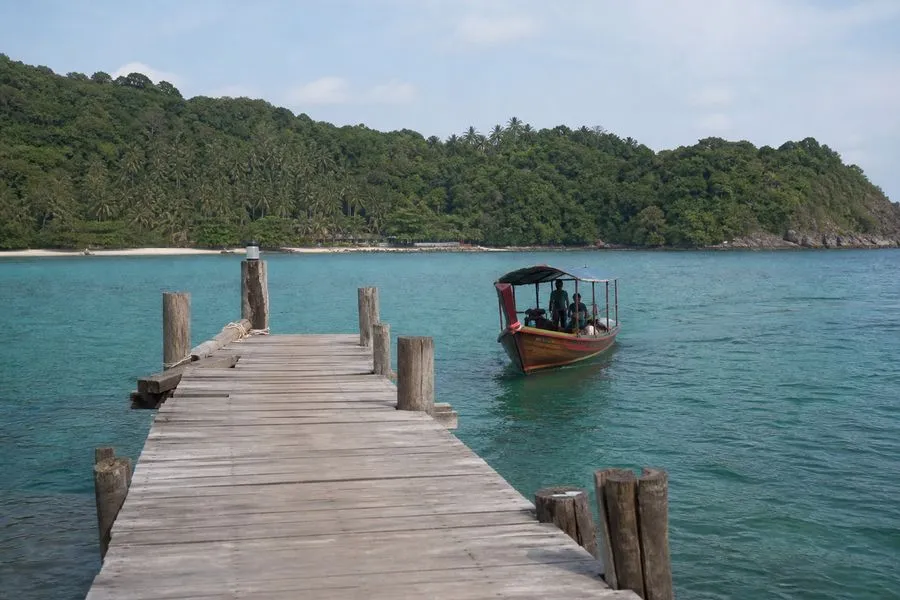
You travel by ferry. It is the only mode listed for this route, and there is no bridge or land connection between Ko Chang and Ko Mak, both islands in Trat's Mu Ko Chang archipelago.
This is an inter-island hop, not one of the mainland crossings serving Ko Chang.
If your plans are still flexible, you can compare the neighboring Ko Chang to Ko Kood crossing or head back to the mainland via Ko Chang to Trat.
Ferry price and duration: what's actually confirmed
No route-specific price, travel time, operator, or departure schedule emerged from two research filter passes. I would not use a precise figure from an undated booking page as a planning fact.
Across Thailand's mainland-to-island and inter-island ferry market, commercial and aggregator research suggests a broad price band of roughly 100-2,400 THB. That is an archipelago-wide expectation range covering different distances, operators, and boat speeds. It is not the Ko Chang to Ko Mak fare.
The hub's fare framework is more useful for judging whether a quote looks plausible than pretending the full range predicts this particular ticket.
Ko Chang to Ko Mak: mode-by-mode overview
| Mode | What's confirmed | Price/duration status | Where to verify |
|---|---|---|---|
| Ferry | On file as the route's only mode | No route-specific fare, duration, or operator was confirmed | Ask locally or check the operator's own page before booking |
Piers, booking window and seasonal timing
Board at one of Ko Chang's own piers used by southbound inter-island boats. I cannot responsibly give you a specific pier name because the research did not confirm one for this crossing. Ask your accommodation or a pier-side ticket counter which departure point is operating that day.
Walk-up cash sales are common on short island ferry legs in the regional research. Before paying, ask whether you are buying a scheduled service or a departure that runs only after enough passengers commit. Those are different arrangements, even when the person selling the ticket describes both as today's boat.
Frequency generally drops during the May-October monsoon shoulder season across Thai island transport. No closure date was confirmed for this route, so check whether ferries run on your dates and verify again on the day.
Before you book: Ko Chang to Ko Mak checklist
- Confirm today's departure time and price with the boat operator or a pier-side counter. Do not rely on one online listing.
- Ask whether the boat is scheduled or needs a minimum number of passengers to run.
- Carry small-denomination cash. Several inter-island legs in the research use cash-at-pier sales without advance online booking.
- From May through October, ask whether the crossing is operating that day before committing to an onward same-day connection.
- Compare the quote with the hub's general fare tiers. A figure far outside the broad market band deserves another question, not faster payment.
Is this route licensed?
The route inventory classifies this transport category as regulated and served by licensed ferry or speedboat companies. It does not establish that a particular seller, boat, or listing has been checked.
There is also a structural source gap: this research unit found no primary government or regulator source for ferry fares and schedules. Verify directly with the operator before paying, and treat a single aggregator result as a lead rather than confirmation. Avoid unofficial touts and visibly overloaded small craft.
Honest verdict: what to actually do
I would plan on taking a ferry, but I would not trust a headline price or timetable until a local counter or operator confirms it. Ask for today's departure point, departure time, price, and whether the boat needs a minimum passenger count.
I learned that habit after a canceled Ko Tao boat left me stranded at Chumphon pier.
It was not this route, but the lesson transfers cleanly: an island ferry schedule in Thailand remains provisional until somebody operating the boat confirms it that day (preferably before you arrange a tight onward connection).
What can you rely on here? Ferry is the mode on file, the category is regulated, and the actual service details need checking with the operator or pier counter before travel.
FAQ
How do I actually get from Ko Chang to Ko Mak?
Take a ferry, the only mode on file for this crossing. There is no bridge or land route connecting the islands.
Is there a fixed schedule, or do I need to ask around at the pier?
No fixed timetable was confirmed for this specific leg. Ask at the pier or contact an operator directly because regional services range from scheduled departures to walk-up cash arrangements.
How much should I expect to pay?
No Ko Chang to Ko Mak fare was independently confirmed. The general ferry and speedboat market spans roughly 100-2,400 THB, but that broad archipelago-wide range is not a quote for this route.
Is the Ko Chang to Ko Mak ferry safe to book?
The route inventory places ferry and speedboat services in a regulated, licensed category, but the research found no government source confirming individual operators for this leg. Verify the operator and boat directly rather than treating an aggregator listing as a safety endorsement.
Do I need to book in advance?
No route-specific booking window was found. Walk-up cash tickets are common for short regional hops, though booking ahead in high season is the safer default if an operator offers direct reservations.
What's the best time of year to make this crossing?
The research does not establish a best season or a specific closure period for this route. Island transport frequency generally drops during the May-October shoulder season, so confirm service before building an onward connection around it.
Use the route planner in the full guide to getting around Thailand for the current view across all 133 routes. Before paying, confirm today's price and departure directly with the operator or a pier-side counter.
Sources
- General ferry and inter-island transport market pattern: Shared research
market_and_legalandtrust_expertise_and_source_requirements, including the operator landscape, licensing category, and broad price band. Commercial and aggregator sourced as of 2026; no primary government source was found for this claim category. - General seasonal disruption pattern: Shared research
risks_safety_and_user_protection, as of 2026. This supports the general May-October frequency caution, not a route-specific closure date.
Ferry schedules, fares, departure points, and operating conditions can change without notice. Confirm the current service directly with the operator or pier counter before paying or arranging an onward connection.
