SIM Card Registration in Thailand: Documents & How to Apply
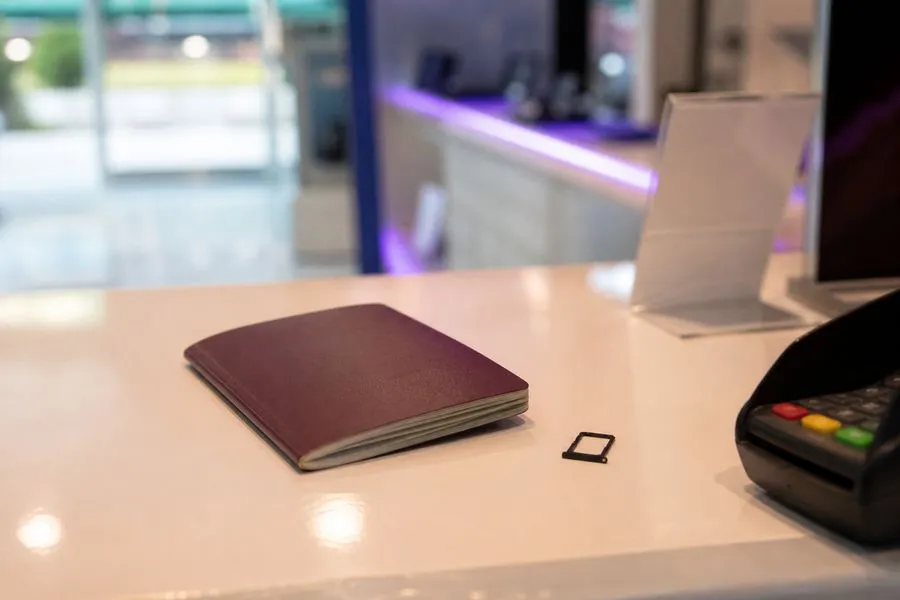
On this page
- The Short Version: What Changed for SIM Registration
- Who This Is For
- What You'll Need and Where to Register
- How to Register a Physical SIM or eSIM, Step by Step
- Day One: Registering Your SIM
- The New 3-SIM Cap: What It Means for You
- What Happens If You Don't Activate or Register Correctly
- Common Mistakes to Avoid
- Spot an Unauthorized SIM Seller
- FAQ
- Do I need my passport to buy a SIM card in Thailand?
- How many SIM cards can I register on one passport?
- Is a SIM seller who doesn't ask for my passport a shortcut or a problem?
- Is eSIM easier than a physical SIM, or does the same passport rule apply?
- What happens if I don't activate my SIM right away?
- Sources
Buying a Thai SIM is still a minor arrival-day errand, but it is no longer a no-ID transaction you can safely complete at any stall with a stack of prepaid cards.
Bring your passport, use an authorized seller, and expect identity verification in person.
This content is general information, not legal advice. SIM registration rules are enforced by mobile operators under NBTC regulation and can change. Verify current requirements with your chosen operator or NBTC before relying on this page.
The Short Version: What Changed for SIM Registration
Checked August 12, 2026: Registering a SIM against passport identification was already mandatory. Since May 16, 2026, non-Thai nationals have been limited to 3 SIM cards per provider, registration must happen in person, and operators must implement NBTC-approved biometric or liveness verification. A registered SIM left unactivated for 60 days requires reverification. These measures come from the Government Gazette notification on preventing technology crime, as analyzed by Tilleke & Gibbins.
This is an application task, not background law you can ignore until later.
It belongs among the practical day-one and first-week jobs in the full visas and entry category, alongside getting connected, handling identification, and setting up longer-term services.
My verdict: registration itself remains simple and low-risk. The rules are meaningfully stricter, though, and the position for eSIMs is very likely the same but not explicitly confirmed in the new regulation's own text.
Who This Is For
This applies to non-Thai visitors buying a prepaid tourist SIM after landing, as well as residents replacing a line during their first week or month in Thailand. If you have visited before, pay particular attention to the new cap: an old number registered during an earlier trip may still count.
Long-term residents can place this task inside the full first-week setup sequence for new residents. Short-stay visitors can usually handle it in the arrival hall.
What You'll Need and Where to Register
Ordinary tourists should bring their original passport.
In January 2026, the NBTC accepted certain Cambodian government travel documents, Myanmar government certificates of identity, and Thai pink or white ID cards as passport alternatives for undocumented foreign workers, according to the Bangkok Post report "NBTC eases SIM ID rules."
That was a narrow accommodation, not permission for tourists to arrive without passports.
Reliable purchase points include airport arrival-hall kiosks, 7-Eleven stores, and mobile operator retail stores. AIS and True are the two major operators most arrivals will encounter; True absorbed dtac during market consolidation around 2023.
There is no separate government registration fee. You pay the operator's commercial price for the SIM and data plan, which varies by plan and provider rather than following a regulated fee schedule.
| Attribute | Physical SIM | eSIM |
|---|---|---|
| Passport required | Yes, confirmed | Very likely yes, but not explicitly confirmed in the new regulation's own text |
| Where to get it | Airport kiosks, 7-Eleven, or operator stores | Operator app, website, or operator store |
| Registration location | Must be completed in person as of May 16, 2026 | The same in-person requirement almost certainly applies, subject to the eSIM caveat |
| Counts toward the 3-SIM cap | Yes | Yes, because the cap covers registered lines rather than only physical cards |
| Best suited for | Travelers without a compatible phone or those wanting a physical backup | Travelers with an eSIM-compatible phone who want to avoid swapping a physical card |
For eSIMs, I use "very likely, not confirmed" deliberately. The research found no eSIM-specific wording in the new regulation that settles the passport and in-person question separately.
If you are staying longer, opening a Thai bank account has its own document checklist worth reading before you go. Getting a Thai driving license is the other first-week errand most long-term residents hit. Neither process is covered here.
How to Register a Physical SIM or eSIM, Step by Step
Since May 16, 2026, registration must take place in person at an operator branch or authorized dealer.
Remote registration is no longer an option, and operators must implement biometric or liveness identity checks subject to NBTC pre-approval under the Government Gazette technology-crime notification cited by Tilleke & Gibbins.
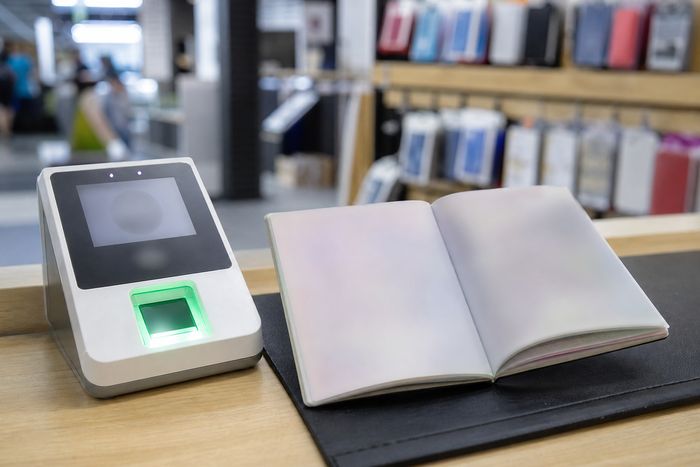
The process should look like this:
- Bring your passport. The seller needs it for in-person registration. A photograph or promise to submit the details remotely does not match the current process.
- Choose an established sales point. Use an airport kiosk, 7-Eleven, or an operator retail branch. AIS and True are the two major networks you are most likely to see.
- Complete identity verification. Follow the operator's passport and biometric or liveness check. Registration now involves more than a clerk making a simple passport copy.
- Handle an eSIM cautiously. Passport identification has generally applied to eSIM registration, and the new in-person requirement very likely applies too. The regulation's own text was not found to address eSIM separately, so I would not buy one on the assumption that it creates an online-registration exemption.
- Activate the line promptly. A registered line left unactivated for 60 days must go through reverification.
Day One: Registering Your SIM
Use this checklist at the counter:
- Have your original passport ready; remote or online registration is not available under the current rule.
- Pick an airport kiosk, 7-Eleven, or AIS- or True-branded operator store.
- Complete identity verification, including any biometric or liveness step required by the operator.
- Count older lines registered under your identity, including inactive SIMs from previous trips.
- Activate the new SIM as soon as possible rather than putting it in your bag for later.
The fourth step is easy to miss. I kept old Thai SIMs in drawers for years because throwing away a card felt different from closing an account. Under the new cap, the plastic being gone does not necessarily mean the registration has disappeared.
The New 3-SIM Cap: What It Means for You
A non-Thai national may hold no more than 3 SIM cards with each service provider. The limit applies separately to each operator, so it means up to 3 with AIS and up to 3 with True, not 3 Thai lines across the entire market.
The count includes every line registered under your identity, including old or inactive numbers. A returning traveler who bought a new tourist SIM on several previous trips may therefore be closer to the cap than expected. Discarding a card is not the same as establishing that its registration no longer counts.
The cap took effect on May 16, 2026, under the Government Gazette notification "Measures for Prevention and Suppression of Technology Crime No. 2," as cited and analyzed by Tilleke & Gibbins. It was introduced to counter technology-enabled crime, including SIM-box fraud and call-center scam operations.
That context matters. The passport check is not paperwork theater; it links a working phone number to an identified customer and makes bulk anonymous registrations harder.
If an operator says you have reached the limit, do not assume the clerk is counting only cards in your possession. Ask the operator to check lines already registered under your identity.
What Happens If You Don't Activate or Register Correctly
A properly registered SIM that remains unactivated for 60 days requires reverification. This is a specific deadline in the May 2026 measures, not a vague possibility that the card might eventually stop working.
Register first, then activate while you are still near the seller. That gives you somewhere obvious to return if the line does not come online.
SIM registration itself is mandatory under NBTC rules. An already activated or supposedly "pre-registered" card from an unauthorized seller may be blocked later or remain connected to somebody else's identity.
I learned the cheap version of this lesson while stranded at Chumphon pier after a Ko Tao boat was canceled. Killing time, I bought a suspiciously inexpensive prepaid SIM from an unofficial stall that never asked for my passport. It worked for about four days before being cut off, apparently because it was already registered to someone else.
The shortcut cost me more time than proper registration would have. I had to find a real kiosk and buy a second SIM (not my finest piece of travel budgeting).
Common Mistakes to Avoid
The first mistake is assuming eSIM means anonymous or fully remote. It very likely does not bypass the passport and in-person rules, although the new regulation's text does not explicitly settle eSIM treatment separately.
Another is forgetting old registrations. Previous tourist SIMs and inactive resident lines count toward the 3-per-provider cap if they remain registered under your identity.
Do not leave a newly registered card untouched for more than 60 days. Activate it promptly or expect reverification.
Spot an Unauthorized SIM Seller
Treat these as red flags:
- No passport request: Under the current rule, this is not a convenient shortcut. It indicates that the seller is skipping a required registration step.
- A promise to register it later: In-person verification should happen during the transaction, not at some unspecified time after you leave.
- An already activated card: A working line handed over without verification may be tied to another person's identity.
- Suspiciously low pricing: Be wary when the price sits well below established kiosks, 7-Eleven, or operator stores for the same data allowance and there is no visible receipt or operator branding.
- No recognizable sales identity: An unbranded street stall is harder to hold accountable than a retail chain, airport kiosk, or operator-branded store.
"No passport needed" sounded useful to me once. Four days later, it was just a dead phone number.
FAQ
Do I need my passport to buy a SIM card in Thailand?
Yes. Passport-based registration is the standard requirement for ordinary foreign visitors, and since May 16, 2026, registration must be completed in person rather than through remote or online sign-up.
The January 2026 acceptance of certain alternative documents was aimed narrowly at undocumented foreign workers. It was not a tourist-facing relaxation.
How many SIM cards can I register on one passport?
You can register a maximum of 3 SIM cards per provider. The limit applies separately to each operator, meaning 3 with AIS and 3 with True rather than 3 lines total.
Every line registered under your identity can count, including old or inactive numbers. Returning visitors should not assume that a SIM discarded after a previous trip has disappeared from the operator's records.
Is a SIM seller who doesn't ask for my passport a shortcut or a problem?
It is a problem. Skipping the passport and in-person verification step indicates an unauthorized process under the current rules, not a useful workaround.
The line could be blocked or tied to someone else's identity. Use an airport kiosk, 7-Eleven, or operator store instead.
Is eSIM easier than a physical SIM, or does the same passport rule apply?
The same passport and in-person requirement very likely applies to eSIM, but this was not explicitly confirmed in the new regulation's own text. I would not treat eSIM as exempt or rely on completing the whole process remotely.
An eSIM can still be mechanically easier because there is no card to swap. That convenience does not establish a registration exemption.
What happens if I don't activate my SIM right away?
A registered but unactivated SIM requires reverification after 60 days. Activate it soon after registration, ideally before leaving the kiosk or store, rather than treating the card as something you can keep indefinitely for a later trip.
Once your phone is connected, see the other arrival-day task almost every visitor has to get right, the digital arrival card.
Sources
- Government Gazette Notification, "Measures for Prevention and Suppression of Technology Crime No. 2," effective May 16, 2026, as cited and analyzed in Tilleke & Gibbins, "Thailand Tightens Telecom Registration, Data, and IP Address Rules to Combat Tech Crime". Used for the 3-SIM cap, in-person registration, biometric verification, and 60-day reverification rule.
- Bangkok Post, "NBTC eases SIM ID rules," January 18, 2026. Used for the narrow alternative-ID accommodation for undocumented foreign workers.
- LexBangkok, "Thailand SIM Card Rules 2026: What Foreigners Must Know". Used as a professional secondary source corroborating the cap, in-person requirement, and activation deadline.
Facts checked August 12, 2026.
This content is general information, not legal advice. SIM registration rules are enforced by mobile operators under NBTC regulation and can change. Verify current requirements with your chosen operator or NBTC before relying on this page.


Reviewed by Nattapong Sirichai, licensed Thai attorney, member of the Lawyers Council of Thailand, practising immigration and administrative law, Bangkok. Last reviewed: 2026-08-12. The review covers the legal statements on this page, not travel opinion.